BREAKING: NEW Leader Declared in California After Ballots Counted Overnight
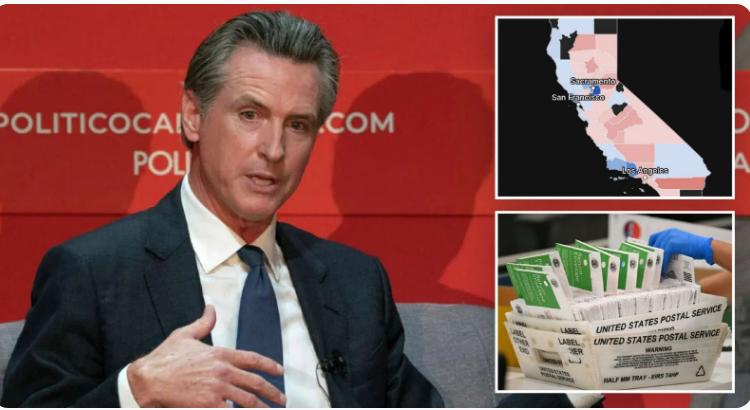
BREAKING: NEW Leader Declared in California After Ballots Counted Overnight
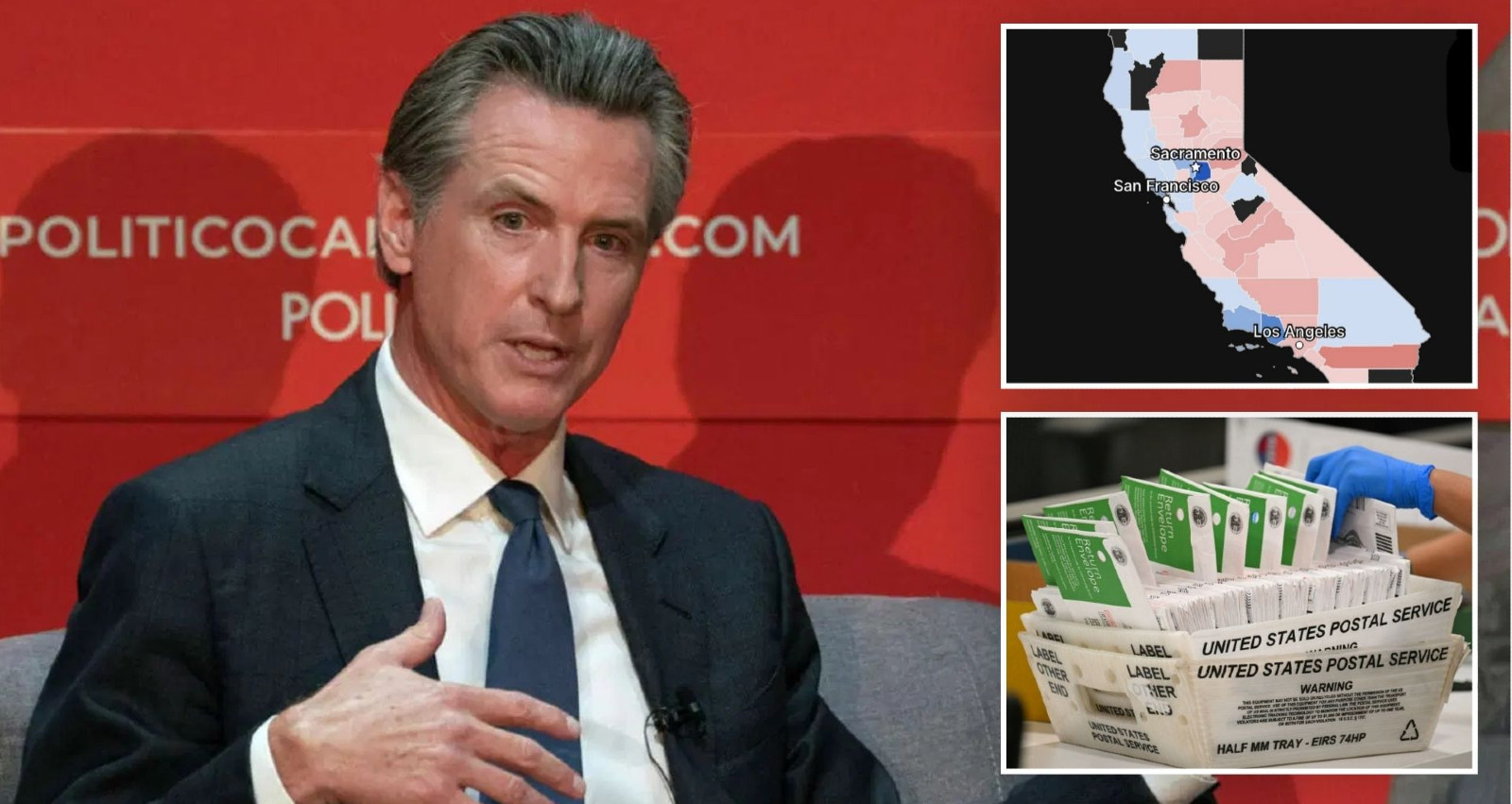
Republican Incumbent Josh Hoover Leads in California’s 7th Assembly District Primary
Republican incumbent Josh Hoover holds a lead in the primary election for California’s 7th Assembly District, according to results released by the California Secretary of State’s office. With ballots counted as of Wednesday afternoon, Hoover has received approximately 54 percent of the vote, while Democratic candidate Amy Slavensky has received about 44 percent.
The two candidates are expected to advance to the November general election. Hoover, who first won the seat in 2022 when it shifted from Democratic to Republican control, hosts the political podcast “Point of Order” and serves as a member of the bipartisan California Problem Solvers Caucus. He previously worked as chief of staff to former Assemblymember Kevin Kiley and resides in Folsom.
Slavensky, who came out of retirement to serve as interim deputy superintendent for the San Juan Unified School District, previously retired in 2021 as superintendent of the Amador County Unified School District.
Los Angeles Mayoral Race Update
In the Los Angeles mayoral primary, incumbent Democrat Karen Bass received 35 percent of the vote with roughly 62 percent of ballots counted as of Wednesday night. Independent candidate Spencer Pratt received approximately 29.9 percent, and Democratic City Council member Nithya Raman received 22.8 percent.
Bass did not reach the 51 percent threshold required to win outright, setting up a likely runoff in November between Bass and Pratt. No Republican has won the Los Angeles mayoral race in more than three decades. Pratt’s performance reflects voter dissatisfaction in portions of the city amid ongoing challenges with public safety and governance.
California election officials have indicated that counting all ballots in several closely watched races could take additional time, with some Democratic leaders stating it may require weeks to finalize results statewide.
Election Complaint in Los Angeles Race
Pratt filed a formal complaint Tuesday alleging that Mayor Bass violated California election law by engaging in electioneering within 100 feet of a ballot drop box. The complaint is based on a campaign video posted by Bass in which she appears to encourage voting while standing near a ballot box.
Under California law, candidates and campaign workers are prohibited from electioneering within 100 feet of a ballot drop box. Pratt stated in a social media post that the video demonstrates a disregard for election rules.
“Electioneering within 100 feet of a ballot box is AGAINST THE LAW. Soliciting votes at a ballot box is AGAINST THE LAW,” Pratt wrote.
A spokesperson for Bass rejected the allegations, stating that the video was filmed in multiple locations and complied with election laws. One segment was recorded more than 200 feet from the ballot box, while another was filmed closer without campaign signs present, according to the spokesperson.
Pratt’s attorney has requested an investigation into the matter and submitted a similar complaint to state authorities. City and state officials have not yet announced whether they will open a formal review.
The results in both the Assembly District 7 race and the Los Angeles mayoral contest remain subject to additional ballot counting and potential challenges.
DOJ Finds It - California's Election Scandal Just Blew WIDE OPEN

Los Angeles, California - June 8, 2026
U.S. Attorney Bill Essayli Says California Continues to Block Federal Audit of Voter Rolls
U.S. Attorney for the Central District of California Bill Essayli stated that state officials are continuing to block a federal audit of California’s voter registration rolls more than a year after the Department of Justice first sought access. Essayli said his office has identified multiple state policies that have raised concerns about election administration.
Those policies include allowing first-time voters who cannot provide a Social Security number or driver’s license to register using alternative forms of identification. Accepted documents include gym membership cards, employer identification cards, credit or debit cards, and prescription drug labels. The state also permits the use of insurance cards, which has drawn scrutiny because California provides state-funded health coverage to certain individuals regardless of immigration status.
Additional concerns cited by the office include delays in removing deceased voters from the rolls and limited restrictions on third-party ballot harvesting.
Federal Authority and Legal Dispute
Essayli said federal law grants the Attorney General authority to review state voter files to confirm that only eligible U.S. citizens are voting in federal elections.
“For over a year, the Department of Justice has been trying to audit California’s voter rolls,” Essayli wrote. “Federal law gives the Attorney General the authority to review state voter files and confirm that only eligible U.S. citizens are voting in federal elections.”
He added that California has refused to comply, citing state privacy laws. Essayli stated that those laws do not apply to the federal government in this context.
“AAG Dhillon sent California a letter explaining our legal authority,” Essayli wrote, referring to Assistant Attorney General Harmeet Dhillon. “California refused to comply, claiming state privacy laws block the review, an argument that does not hold up because those laws don’t apply to the federal government in this context.”
The Justice Department has filed suit against California. The case is currently before the Ninth Circuit Court of Appeals.
Context of Ongoing Ballot Counting
Essayli’s statements come as California continues processing hundreds of thousands of ballots from the June primary election. In the Los Angeles mayoral race, preliminary leads have shifted as additional ballots were counted in the days following Election Day. Critics have pointed to the pace of counting and changes in vote totals as reasons for concern about election integrity.
Essayli said that if California wants voters to trust its elections, the state should allow the federal review rather than fight to keep records closed.
“If California genuinely wants voters to trust its elections, it should open its records, not fight to keep them closed,” he wrote. “What are they afraid of?”
California officials have previously defended the state’s election system, stating that existing safeguards are sufficient and that there is no evidence of widespread irregularities affecting outcomes. The dispute over federal access to voter rolls continues as the legal case proceeds.
SENATOR KENNEDY DELIVERS FATAL BLOW TO OMAR'S CAREER AS SHE BLAMES TRUMP FOR SOMALI PANIC
Washington, D.C. - June 8, 2026
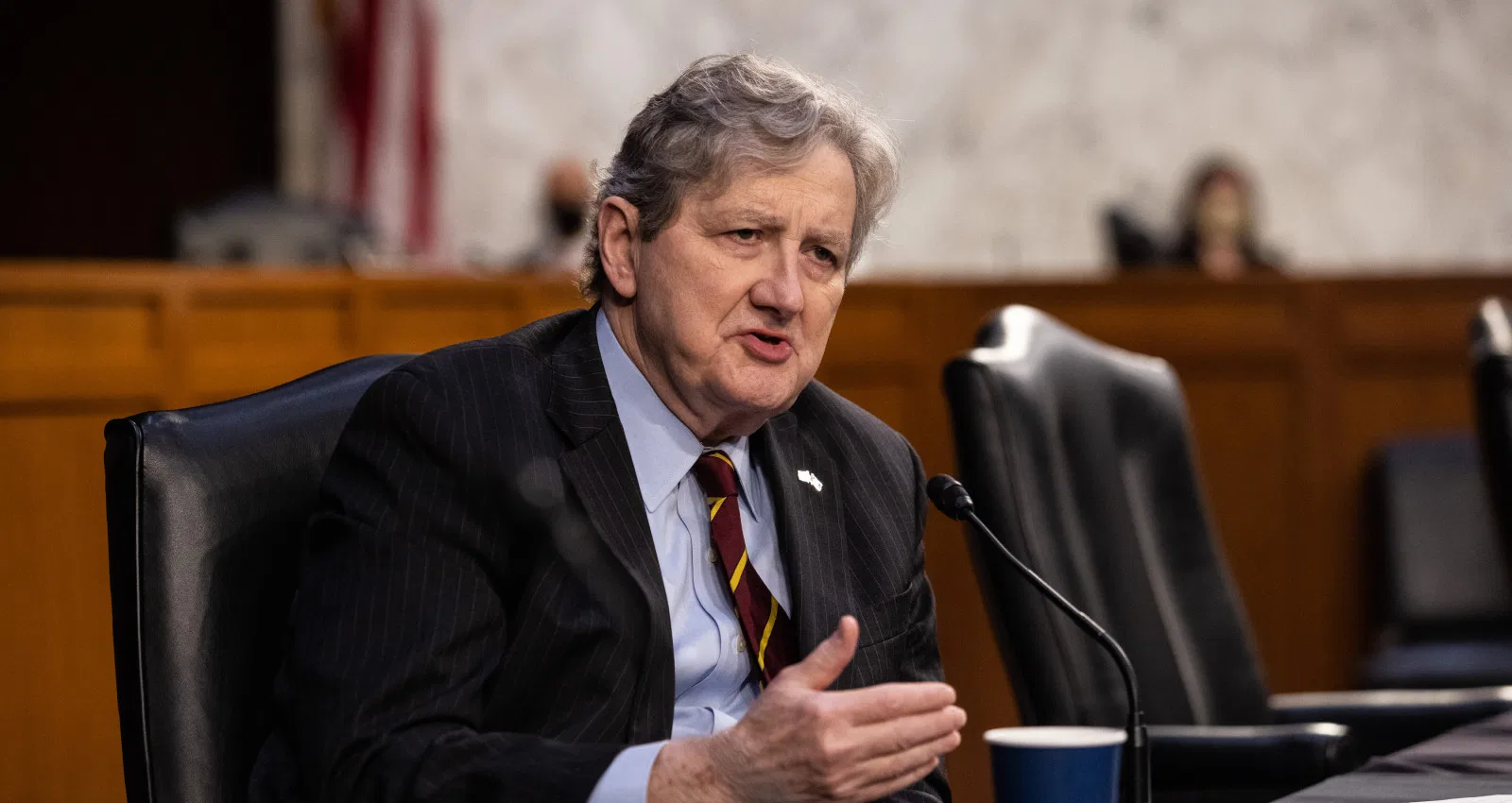
Senator John Kennedy Responds to Rep. Ilhan Omar on Senate Floor Over Minnesota Community Concerns
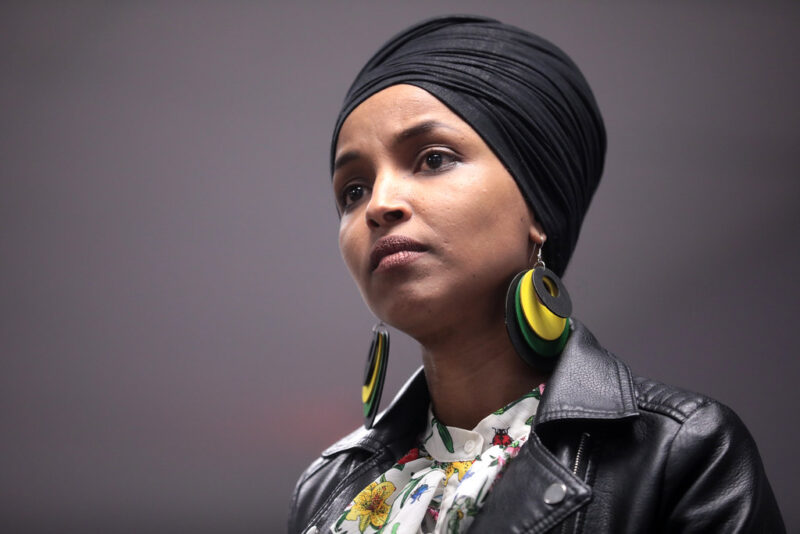
Senator John Kennedy, R-La., delivered a pointed rebuttal on the Senate floor to remarks made by Rep. Ilhan Omar, D-Minn., regarding community tensions in Minnesota amid federal deportation operations. Omar had held a press conference in Minneapolis describing fear within parts of the Somali community and attributing it to actions by the Trump administration.
Omar stated that families were living in fear of enforcement actions and accused President Trump of inciting threats through his rhetoric.
“Donald Trump is not just enforcing the law; he is hunting a community,” Omar said. “His rhetoric has put a target on our backs. My office is flooded with death threats. My people are living in terror that one phone call, one tip from a racist neighbor, will end their lives in this country. This is ethnic cleansing disguised as policy.”
She described mothers afraid to answer phones and fathers sleeping in shifts due to concerns about potential enforcement actions.
Kennedy’s Response on the Senate Floor
Senator Kennedy addressed Omar’s comments directly during Senate proceedings. He acknowledged community concerns but reframed the source of the tension.
“The Congresswoman is very upset today,” Kennedy said. “She says she is receiving threats. She says her community is afraid. And she blames President Trump for lighting the match.”
Kennedy continued by distinguishing between threats and consequences of prior statements.
“But Congresswoman, you need to learn the difference between a threat and a consequence,” he said. “You spent years telling your community that America is a hateful, racist, evil place. You spent years spitting on the country that took you in. You called us villains while cashing our checks.”
He added that Omar was facing backlash for her own past rhetoric rather than solely from administration policies.
“You aren’t receiving death threats, Congresswoman,” Kennedy said. “You are receiving the receipts for the division you ordered. You lit the fire with your rhetoric, and now you’re screaming because it got too hot in the kitchen. That isn’t a tragedy. That’s just poetic justice.”
Kennedy concluded by linking current enforcement actions to earlier statements.
“The fear in Minnesota isn't because Donald Trump is a monster,” he said. “It's because for the first time in your career, the law has finally arrived to collect the debt you owe.”
Political Context
Omar’s press conference occurred as federal authorities prepared targeted deportation operations in parts of the Midwest. Her comments drew attention to divisions over immigration enforcement and community reactions in Minnesota.
May you like



Kennedy’s remarks on the Senate floor shifted focus to questions of accountability for public statements by elected officials. The exchange has been widely discussed as an example of sharp partisan disagreement over the causes of community anxiety and the role of rhetoric in political debate.
The situation remains fluid as enforcement actions and political responses continue to develop.







