BREAKING NOW: 'National Emergency' Declared, Trump Called In
BREAKING NOW: 'National Emergency' Declared, Trump Called In
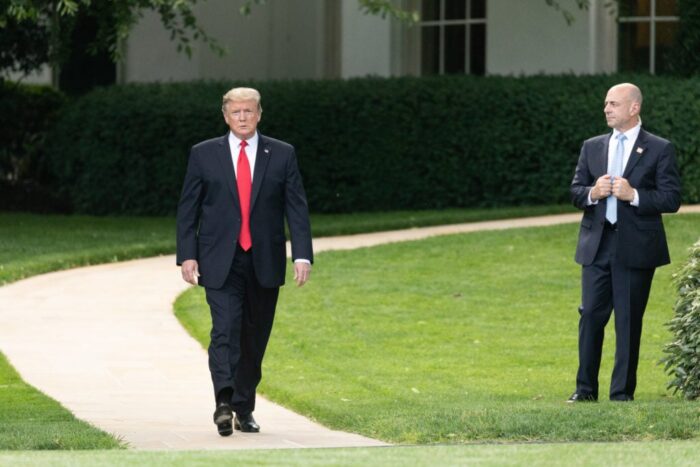
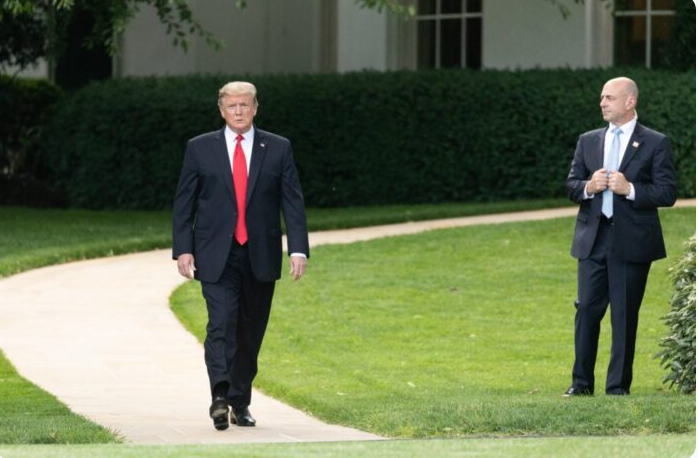
WASHINGTON, D.C. — Secretary of State Marco Rubio told the Senate Foreign Relations Committee that the United States has imposed a blockade preventing Iranian ships from transiting the Strait of Hormuz after Iran moved to restrict passage for other vessels. Rubio stated that the measure has already cost Iran hundreds of millions of dollars in lost revenue. He said the decision followed Iran’s failure to reach an agreement on reopening the waterway to all shipping.
Rubio described the current talks with Iran as distinct from negotiations with other countries, noting that the Iranian decision-making process is slow and fragmented. He said the regime has recently agreed to discuss aspects of its nuclear program that it had previously refused to address. At the same time, he indicated that U.S. patience is limited and that further progress is required on nuclear issues and the status of the Strait of Hormuz.
Iranian state media reported that Tehran had suspended talks with the United States, citing Israeli strikes on Hezbollah in Lebanon. President Trump stated on social media that negotiations between the two countries remain ongoing. Rubio’s testimony did not directly address the Iranian media reports but emphasized that any agreement would need to include verifiable steps on Iran’s nuclear activities and the restoration of open passage through the Strait of Hormuz.
The blockade and the status of talks come as the United States continues to enforce export controls and sanctions related to Iran’s nuclear program and regional activities. Administration officials have described the current approach as combining diplomatic engagement with measures to increase pressure on Tehran. Rubio’s remarks before the committee provided the most detailed public update on the status of the discussions in recent days.
The situation remains fluid, with both sides continuing to exchange messages through diplomatic channels. No timeline for further rounds of talks or specific next steps was announced during the hearing. Congressional committees are expected to continue monitoring developments related to Iran policy in the coming weeks.
DOJ Finds It - California's Election Scandal Just Blew WIDE OPEN

Los Angeles, California - June 8, 2026
U.S. Attorney Bill Essayli Says California Continues to Block Federal Audit of Voter Rolls
U.S. Attorney for the Central District of California Bill Essayli stated that state officials are continuing to block a federal audit of California’s voter registration rolls more than a year after the Department of Justice first sought access. Essayli said his office has identified multiple state policies that have raised concerns about election administration.
Those policies include allowing first-time voters who cannot provide a Social Security number or driver’s license to register using alternative forms of identification. Accepted documents include gym membership cards, employer identification cards, credit or debit cards, and prescription drug labels. The state also permits the use of insurance cards, which has drawn scrutiny because California provides state-funded health coverage to certain individuals regardless of immigration status.
Additional concerns cited by the office include delays in removing deceased voters from the rolls and limited restrictions on third-party ballot harvesting.
Federal Authority and Legal Dispute
Essayli said federal law grants the Attorney General authority to review state voter files to confirm that only eligible U.S. citizens are voting in federal elections.
“For over a year, the Department of Justice has been trying to audit California’s voter rolls,” Essayli wrote. “Federal law gives the Attorney General the authority to review state voter files and confirm that only eligible U.S. citizens are voting in federal elections.”
He added that California has refused to comply, citing state privacy laws. Essayli stated that those laws do not apply to the federal government in this context.
“AAG Dhillon sent California a letter explaining our legal authority,” Essayli wrote, referring to Assistant Attorney General Harmeet Dhillon. “California refused to comply, claiming state privacy laws block the review, an argument that does not hold up because those laws don’t apply to the federal government in this context.”
The Justice Department has filed suit against California. The case is currently before the Ninth Circuit Court of Appeals.
Context of Ongoing Ballot Counting
Essayli’s statements come as California continues processing hundreds of thousands of ballots from the June primary election. In the Los Angeles mayoral race, preliminary leads have shifted as additional ballots were counted in the days following Election Day. Critics have pointed to the pace of counting and changes in vote totals as reasons for concern about election integrity.
Essayli said that if California wants voters to trust its elections, the state should allow the federal review rather than fight to keep records closed.
“If California genuinely wants voters to trust its elections, it should open its records, not fight to keep them closed,” he wrote. “What are they afraid of?”
California officials have previously defended the state’s election system, stating that existing safeguards are sufficient and that there is no evidence of widespread irregularities affecting outcomes. The dispute over federal access to voter rolls continues as the legal case proceeds.
SENATOR KENNEDY DELIVERS FATAL BLOW TO OMAR'S CAREER AS SHE BLAMES TRUMP FOR SOMALI PANIC
Washington, D.C. - June 8, 2026
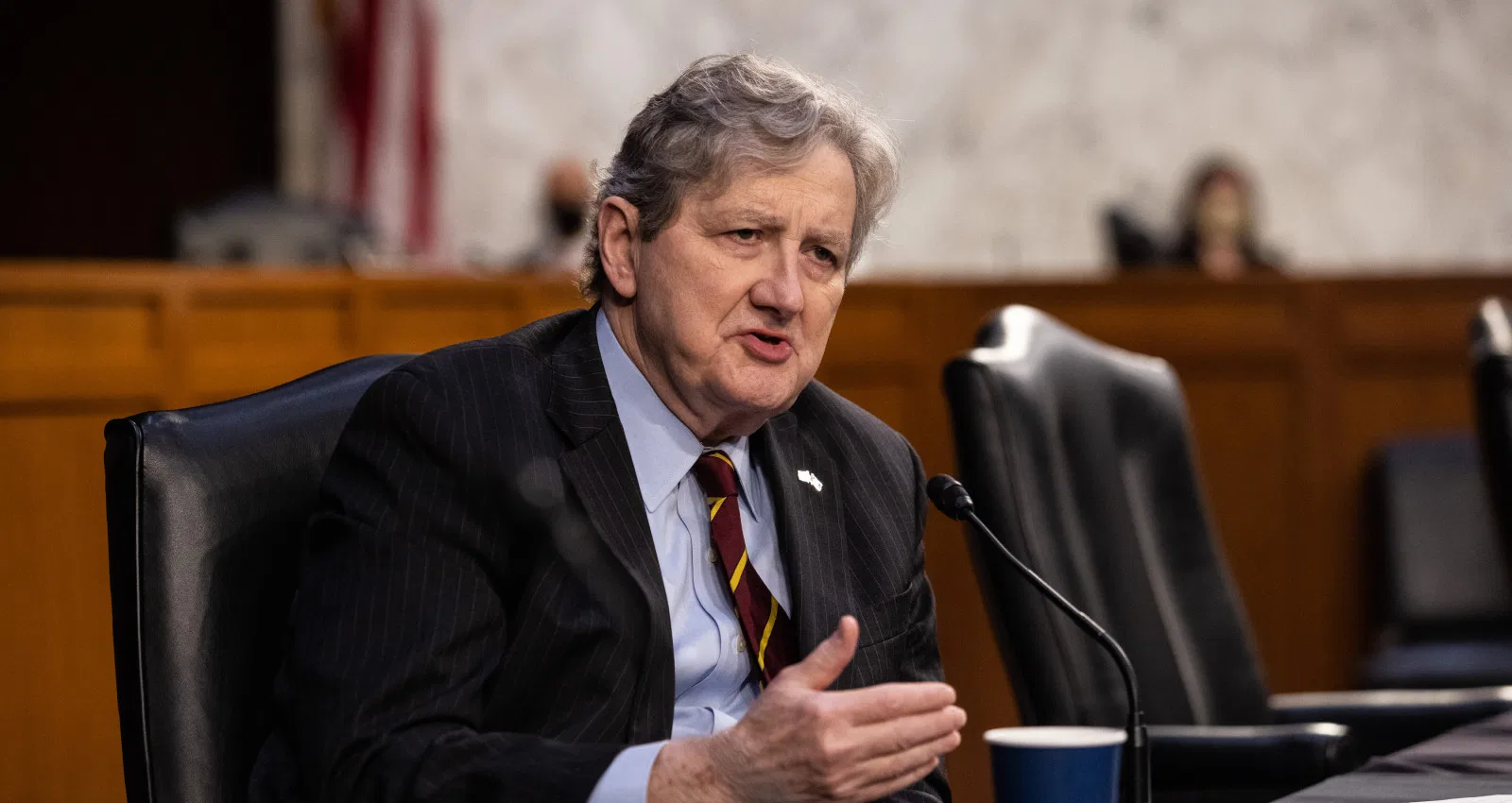
Senator John Kennedy Responds to Rep. Ilhan Omar on Senate Floor Over Minnesota Community Concerns
Senator John Kennedy, R-La., delivered a pointed rebuttal on the Senate floor to remarks made by Rep. Ilhan Omar, D-Minn., regarding community tensions in Minnesota amid federal deportation operations. Omar had held a press conference in Minneapolis describing fear within parts of the Somali community and attributing it to actions by the Trump administration.
Omar stated that families were living in fear of enforcement actions and accused President Trump of inciting threats through his rhetoric.
“Donald Trump is not just enforcing the law; he is hunting a community,” Omar said. “His rhetoric has put a target on our backs. My office is flooded with death threats. My people are living in terror that one phone call, one tip from a racist neighbor, will end their lives in this country. This is ethnic cleansing disguised as policy.”
She described mothers afraid to answer phones and fathers sleeping in shifts due to concerns about potential enforcement actions.
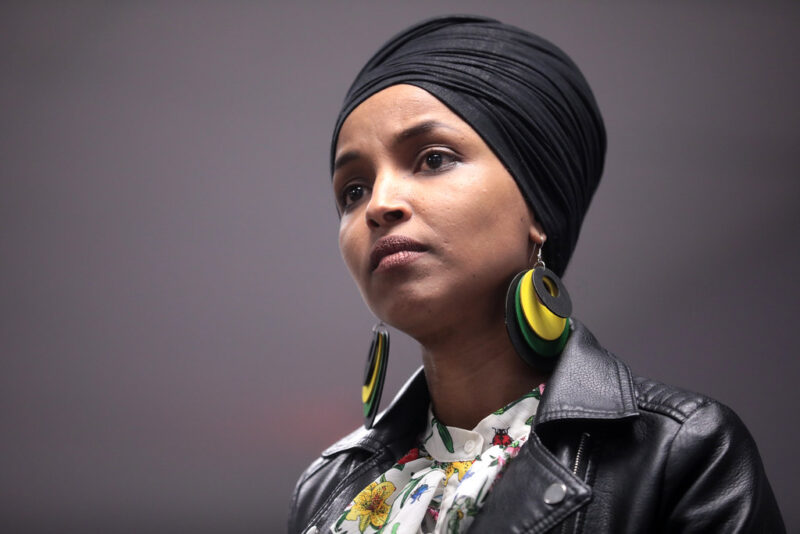
Kennedy’s Response on the Senate Floor
Senator Kennedy addressed Omar’s comments directly during Senate proceedings. He acknowledged community concerns but reframed the source of the tension.
“The Congresswoman is very upset today,” Kennedy said. “She says she is receiving threats. She says her community is afraid. And she blames President Trump for lighting the match.”
Kennedy continued by distinguishing between threats and consequences of prior statements.
“But Congresswoman, you need to learn the difference between a threat and a consequence,” he said. “You spent years telling your community that America is a hateful, racist, evil place. You spent years spitting on the country that took you in. You called us villains while cashing our checks.”
He added that Omar was facing backlash for her own past rhetoric rather than solely from administration policies.
“You aren’t receiving death threats, Congresswoman,” Kennedy said. “You are receiving the receipts for the division you ordered. You lit the fire with your rhetoric, and now you’re screaming because it got too hot in the kitchen. That isn’t a tragedy. That’s just poetic justice.”
Kennedy concluded by linking current enforcement actions to earlier statements.
“The fear in Minnesota isn't because Donald Trump is a monster,” he said. “It's because for the first time in your career, the law has finally arrived to collect the debt you owe.”
Political Context
Omar’s press conference occurred as federal authorities prepared targeted deportation operations in parts of the Midwest. Her comments drew attention to divisions over immigration enforcement and community reactions in Minnesota.
May you like

Kennedy’s remarks on the Senate floor shifted focus to questions of accountability for public statements by elected officials. The exchange has been widely discussed as an example of sharp partisan disagreement over the causes of community anxiety and the role of rhetoric in political debate.
The situation remains fluid as enforcement actions and political responses continue to develop.