Chapter 3 - The Room He Never Let Anyone Enter
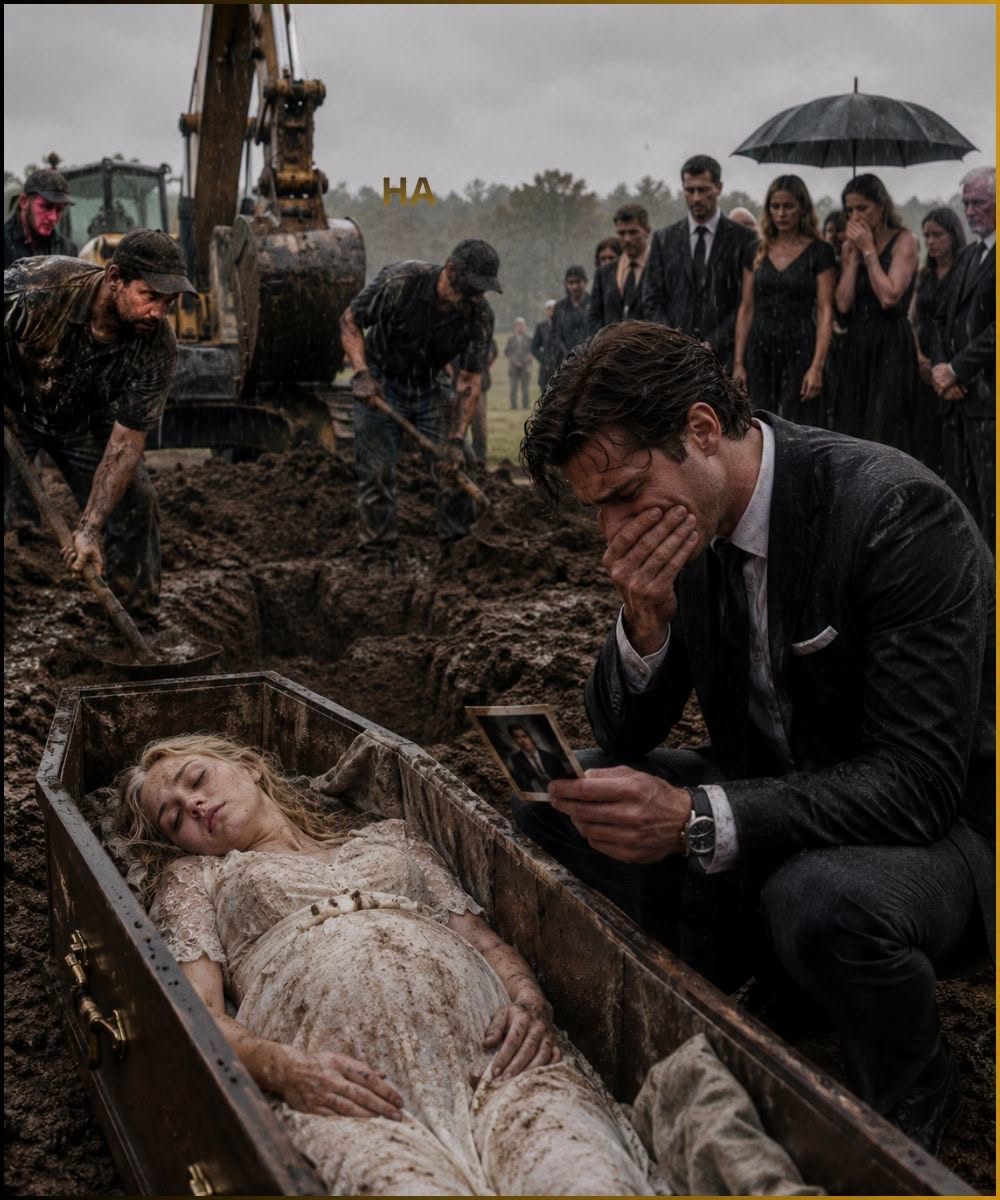
Gabriel brought Norah to the penthouse at dawn because every safehouse he owned suddenly felt like a trap.
The Rossi Tower rose above the river like black glass sharpened into a blade. It had private elevators, biometric locks, reinforced floors, hidden exits, and enough security to make federal agents curse into coffee cups. Gabriel had built it when he was twenty-nine and ruthless enough to believe height was the same as power.
Norah had hated it at first sight.
“It looks like a villain’s filing cabinet,” she had said.
Then she had filled the cold rooms with books, yellow lamps, cheap flowers from street vendors, and paintings Gabriel pretended not to understand so she could explain them to him while laughing.
Now she entered in a wheelchair because Monroe insisted, with a blanket over her knees and Gabriel walking three steps behind as if proximity itself required permission.
The private elevator opened into the penthouse.
Norah went silent.
Nothing had changed.
Her green scarf still hung over the back of the chair by the window. Her coffee mug sat on the kitchen shelf, chipped at the rim. Her reading glasses rested beside a stack of art catalogs. On the wall near the hallway hung the small watercolor she had bought from a student artist for twenty dollars because “sad boats deserve homes too.”
Norah’s lips parted.
“You kept it.”
Gabriel did not answer.
How could he explain that he had preserved every object like a crime scene? That the cleaning staff had been forbidden to move her books? That he had fired a man for throwing away a dead plant because Norah had once said she wanted to save it? That grief had turned him into a museum curator of his own ruin?
Norah gripped the wheelchair arms.
“I thought you erased me.”
Gabriel’s voice was rough. “I tried to live in a world where you had been erased. I failed.”
Thomas cleared his throat from the elevator.
Gabriel looked back.
“We swept the whole floor,” Thomas said. “No devices. No breach. Extra men on every exit.”
“Not Rossi men,” Norah said.
Everyone looked at her.
She lifted her chin. “Whoever did this knew his systems. They knew his grief. They knew where to send the ring. They knew where I was eight months ago. I don’t want anyone here who was close to him then.”
Gabriel’s men bristled.
Gabriel did not.
“She’s right,” he said.
Thomas nodded. “I’ll rotate in outside contractors.”
“No,” Norah said. “No one bought by your money.”
Gabriel looked at her. “Then who?”
“My father.”
The room changed temperature.
Judge Robert Mitchell hated Gabriel with a purity most priests reserved for sin. He had once told Gabriel to his face that men like him did not deserve daughters, wives, or graves with names on them.
Gabriel had respected him for it.
Norah watched Gabriel’s reaction.
“You married me in secret because you said my father would become leverage,” she said. “Now I am done hiding from the only parent I have left.”
Gabriel nodded slowly.
“I’ll call him.”
“No. I will.”
Her hands shook as she took the phone.
Judge Mitchell answered on the fifth ring.
“Hello?”
Norah closed her eyes.
For a moment, she was not a hunted woman in a penthouse. She was a little girl calling home after missing curfew.
“Dad.”
Silence.
Then a sound like air leaving a wounded animal.
“Norah?”
She covered her mouth.
“Dad, I’m alive.”
A chair scraped on the other end. Papers fell. The judge said her name again and again, each time less like a question and more like a prayer breaking open.
Then his voice hardened.
“Where are you?”
Norah looked at Gabriel.
“With my husband.”
The silence returned.
This one was colder.
“Your what?”
Norah’s fingers tightened around the phone.
“I married Gabriel Rossi two years ago.”
Judge Mitchell did not speak.
Gabriel stood perfectly still.
Norah whispered, “Dad?”
“When I saw your car in the river,” the judge said, voice shaking, “I asked him if he had touched you. He looked me in the eye and said you were the only innocent thing he had ever been allowed to love.”
Norah looked at Gabriel.
Gabriel looked away.
The judge inhaled raggedly.
“I believed him for one hour. Then Detective Halloway showed me evidence.”
Gabriel’s head snapped up.
“What evidence?” Norah asked.
“A wire transfer. From one of Rossi’s shell companies to the men who hit your car.”
Gabriel stepped closer.
“Put him on speaker.”
Norah hesitated.
Then she did.
“Judge,” Gabriel said.
The old man’s voice turned to steel. “You stay away from my daughter.”
“I would if it kept her safe.”
“You don’t know how.”
“No,” Gabriel said. “But I know someone used my accounts to make you believe I killed her.”
The judge went quiet.
Norah said, “Dad, I need the file.”
“I burned it.”
Her heart dropped.
“What?”
“I thought if Rossi learned I had it, he would come for everyone connected to it.”
Gabriel stared at the phone.
The judge continued, “But I made a copy.”
Norah closed her eyes.
“Where?”
“In a place no one would think to look.”
Before he could say more, a crash sounded through the phone.
Then a woman screamed.
“Dad?”
Gunshots cracked in the background.
Gabriel moved before anyone else understood.
“Thomas!”
Already running, Thomas shouted into his radio.
Norah tried to stand.
Gabriel caught the wheelchair before it tipped.
“Let me go!”
“No.”
“My father—”
“I’ll get him.”
“No, Gabriel!” Her voice broke. “You don’t get to leave me again!”
That stopped him.
The room froze around them.
Norah stared up at him, tears burning in her eyes.
“I survived the river,” she whispered. “I survived hiding. I survived thinking you wanted me dead. But I will not survive watching you walk out that door and wondering if the next body they bring me is yours.”
Gabriel knelt in front of her.
The great Gabriel Rossi, feared by half the city, bowed his head in front of his pregnant wife.
“Then we go together,” he said.
Norah breathed once.
Then nodded.
May you like



Behind them, Thomas checked his weapon.
Outside, Chicago woke beneath gray morning light, unaware that a judge was under attack, a dead woman had returned, and the secret that tied them all together had finally started bleeding.







