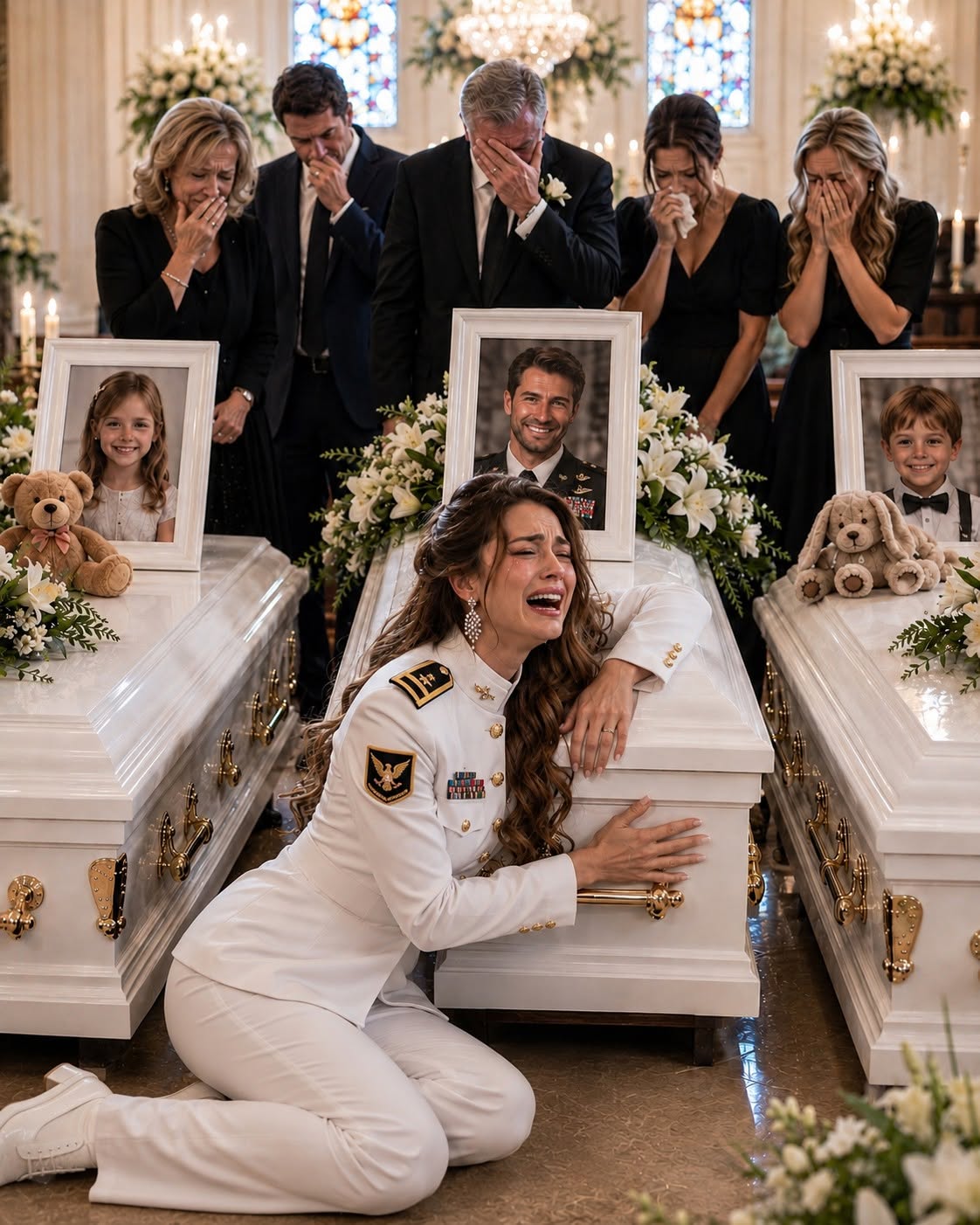
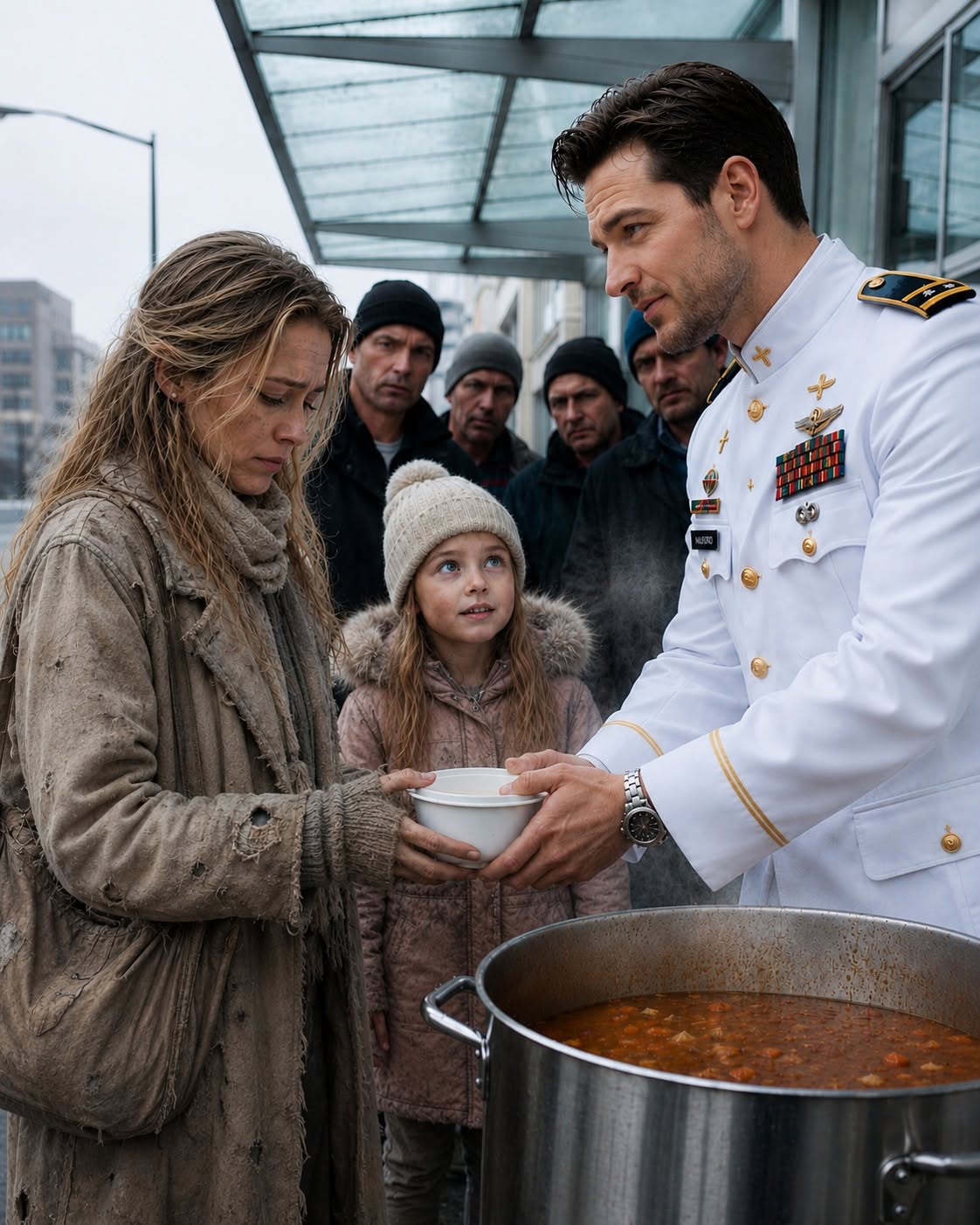
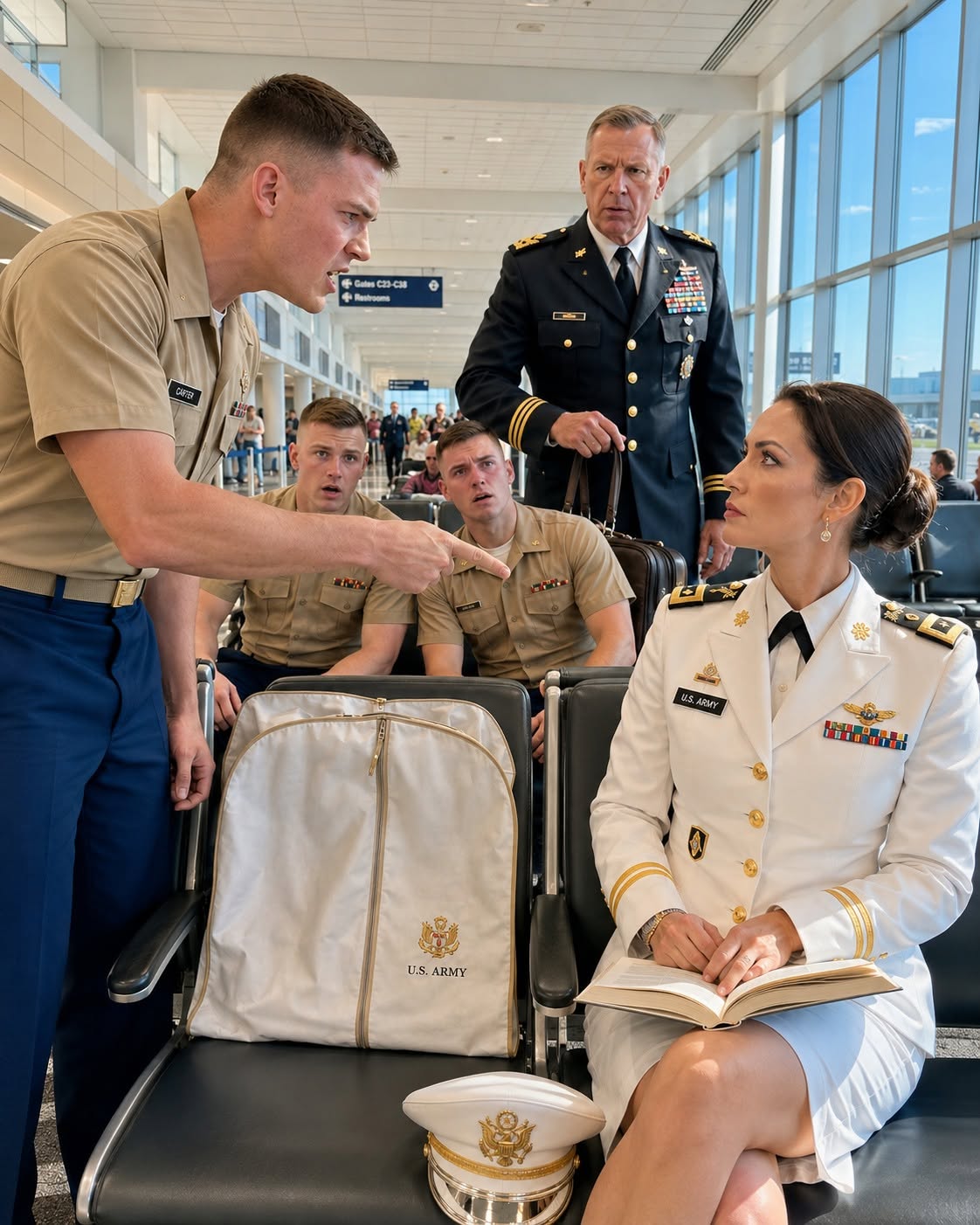
Chapter 15 - A Door That Opens to Light
One year later, Sarah opened the front door of a small brick building downtown and turned the key in the lock.
The sign above the entrance read:
The Margaret Bennett Center
Named after her mother.
A place for women who needed legal help, emergency housing referrals, counseling, and someone to believe them before they had proof polished enough for court.
Sarah used her recovered inheritance, civil settlement funds, and donations from people who had followed the case to build it.
Maria worked there as outreach coordinator.
Claire handled finances.
Detective Ramirez joined the advisory board.
Colonel Hale pretended he was only there for security consulting, but everyone knew he came because Sarah fed him homemade pie during meetings.
As for me, I fixed broken shelves, planted flowers near the entrance, repaired squeaky doors, and made coffee strong enough to scare lawyers.
A gardener again.
But by choice.
On opening day, Sarah stood before a crowd of reporters, survivors, neighbors, and strangers who had driven hours just to see her.
She looked nervous.
Then she found me in the crowd.
I nodded once.
She began.
“For a long time, I thought asking for help meant I was weak. I thought if people knew what was happening to me, they would ask why I stayed, why I smiled, why I didn’t fight sooner.”
Her voice steadied.
“But survival is not simple. Fear is not simple. Leaving is not simple. So this place exists to make one thing simple: when someone says, ‘Help me,’ we listen.”
The crowd went quiet.
Sarah smiled through tears.
“My father answered my call. This center is how I answer someone else’s.”
Applause rose around us.
I looked at my daughter standing in the sunlight, her short hair shining, her shoulders straight, her voice clear.
Not healed completely.
Healing.
There is a difference.
Healing is alive.
After the ceremony, Sarah walked over and handed me a small framed photograph.
It was old. Her mother, Margaret, holding Sarah as a baby. Me standing beside them, younger and less tired.
On the back, Sarah had written:
You came when I called. I found my way home.
I could not speak.
Sarah hugged me.
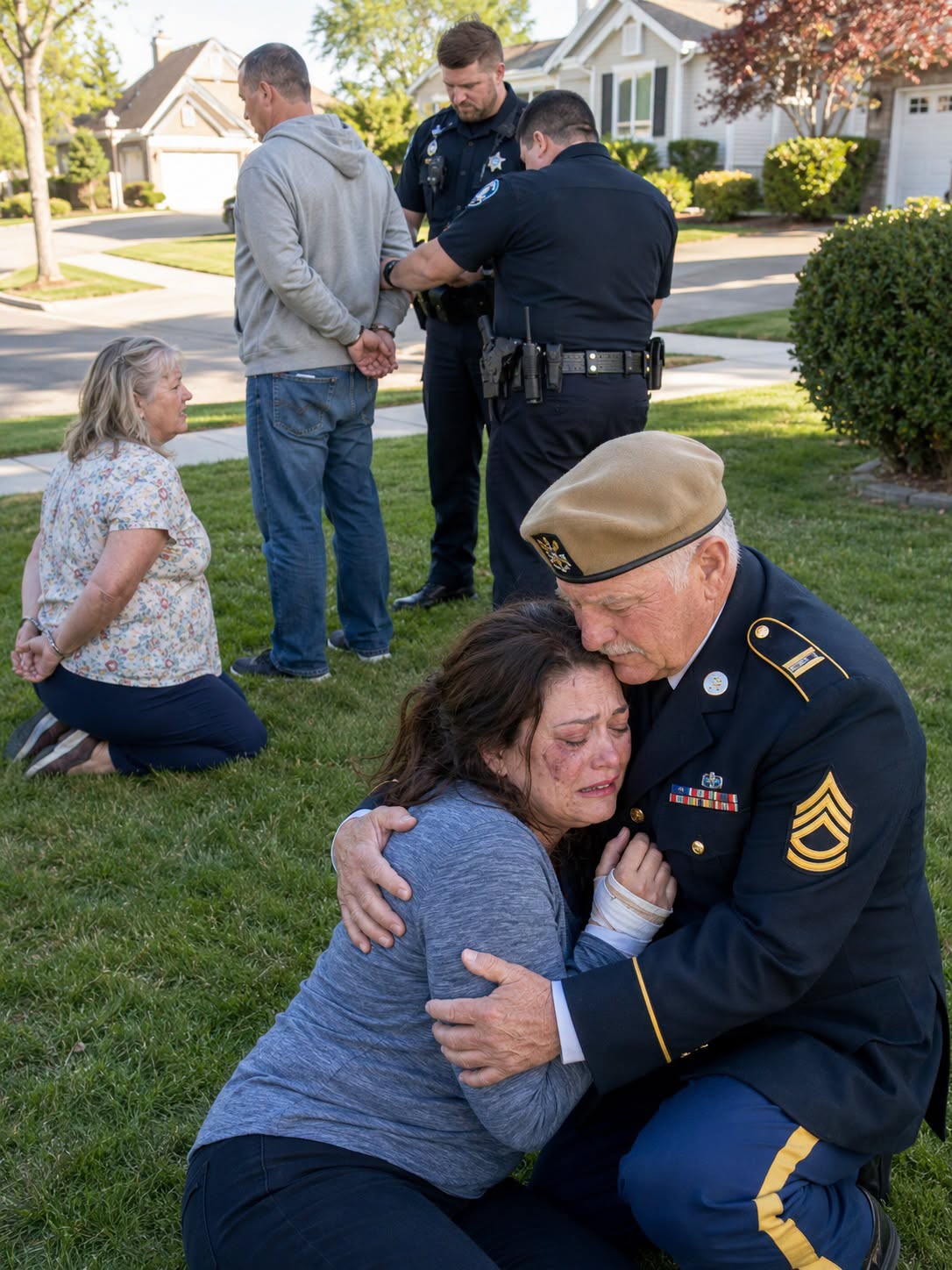
For a long time, I held her the way I had in the hospital, except this time her skin was not fever-hot, her hands were not trembling, and no mansion stood between her and freedom.
Across the street, a young woman hesitated near the curb. She wore sunglasses too large for her face and held a folder against her chest.
Sarah noticed her immediately.
She stepped away from me and crossed the sidewalk.
“Hi,” Sarah said gently. “Are you looking for the center?”
The woman’s lips shook.
“I don’t know,” she whispered. “I think I need help.”
Sarah opened the door wider.
“Then you’re in the right place.”
The woman stepped inside.
Sunlight followed her.
And for the first time in a long time, I looked at a doorway and did not think of danger.
I thought of beginnings.
The Sterlings had believed power meant owning people.
They had believed money could bury truth.
They had believed a father in an old flannel shirt would walk away quietly.
They were wrong about everything.
Because the strongest families are not the ones with mansions, judges, or names carved into stone.
The strongest families are the ones who answer the phone.
The ones who drive through the dark.
The ones who break open locked doors.
May you like
And the ones who stay afterward, planting flowers beside the ruins, until something beautiful grows where fear used to live.
The End.