Chapter 12 - THE HOUSE BY THE WATERThe lake house smelled exactly the same.
Cedar.
Dust.
Water.
And faintly, impossibly, like my mother’s lavender soap.
My father unlocked the door shortly before midnight.
Noah woke as we carried bags inside.
“Where are we?”
“Somewhere I used to love.”
He looked around.
“Do we own it?”
I smiled.
“Apparently.”
Richard turned on lamps one by one.
Nothing had been modernized.
The old plaid sofa remained.
So did the stone fireplace.
My mother’s watercolor paintings still hung along the hallway.
I touched one.
A sailboat.
Blue-gray lake.
Clouds.
“I painted beside her when she made this.”
“I remember,” my father said.
“My boat looked like a potato.”
“It did.”
Noah wandered toward the photographs.
“Is that you?”
He pointed at a picture of a skinny twelve-year-old girl with wild brown hair jumping off the dock.
“Yes.”
“You looked weird.”
“Thank you.”
My father laughed.
On the kitchen table sat a wooden box.
I knew immediately.
My mother used to keep recipes inside it.
My father placed a hand over the lid.
“She prepared this during her last summer.”
I stopped breathing.
“She knew?”
“The doctors told us she might have months.”
My throat tightened.
“She wrote letters.”
“To me?”
“To both of us.”
He opened the box.
Inside were envelopes tied with faded blue ribbon.
My name.
His name.
Dates.
Birthdays she never lived to see.
My twenty-first.
My thirtieth.
My wedding.
The birth of my first child.
My hands trembled.
“She wrote all these?”
“She tried.”
My father touched the ribbon.
“Some were finished. Some weren’t.”
“Why didn’t you give them to me?”
“I intended to.”
His eyes filled.
“Then we stopped speaking.”
“You could have mailed them.”
“I know.”
“Why didn’t you?”
“Because shame makes cowards of people who think they’re proud.”
That sentence landed quietly.
I sat.
Noah climbed onto the chair beside me.
“Are those from Grandma?”
“Yes.”
“The dead one?”
Richard laughed through tears.
“Yes, buddy.”
Noah nodded seriously.
“Okay.”
Children have a talent for making unbearable things simple.
I opened the letter marked Emily — when you become a mother.
My mother’s handwriting covered three pages.
I read slowly.
She wrote about fear.
About how becoming a parent did not make someone wise.
Only responsible.
She wrote that children would sometimes need protection from the world.
Sometimes from their own choices.
And sometimes from the mistakes of people who loved them.
One sentence made me stop.
Do not measure love by how tightly someone holds you; sometimes the people who love you best must also let you walk away.
I looked at my father.
He was reading over my shoulder.
“That sounds like her.”
“Yes.”
We cried.
Not dramatically.
Not beautifully.
Quietly.
The way grief often comes after surviving long enough to stop performing strength.
I read until sunrise.
Then Noah dragged us onto the dock.
Fog moved across the lake.
He threw pebbles.
My father made coffee.
For a while, life became unbelievably ordinary.
That was the happy ending I had once failed to imagine.
Not revenge.
Not Derek in handcuffs.
Not money.
Ordinary mornings without fear.
Over the next year, the lake house became our family place.
Not just mine.
Harold came once.
He and Richard argued about fishing equipment for three hours.
Noah called them “the grandpa committee.”
Derek visited after eight months of steady supervised contact.
I almost said no.
Then Noah asked.
Derek arrived carrying groceries.
No expensive gift.
No dramatic apology.
He cooked burgers badly.
Richard criticized his grill technique.
Derek said, “I learned from prison cafeteria equipment.”
My father almost choked on his drink.
Strangely, they laughed.
I watched from the porch.
There are no clean endings after betrayal.
There are only healthier beginnings.
Derek never returned to corporate finance.
He worked warehouse logistics for two years, then earned a certification and became an operations coordinator for a small nonprofit furniture bank.
The salary was modest.
He seemed proud of it.
He paid restitution every month.
Even when the amount was small.
He never asked my father for a job.
That mattered.
Brittany rebuilt her life separately.
After prison, she moved to Arizona.
Once, she mailed me a letter.
I nearly threw it away.
Instead, I read it.
She apologized again.
Not dramatically.
She wrote that prison had stripped away every person she had tried to impress.
She was working at a salon.
Going to therapy.
Living with her sister.
At the bottom she wrote:
I used to think winning meant another woman had to lose. I hope Noah never learns love that way.
I didn’t reply.
But I kept the letter.
Maybe because people are allowed to become better even when we don’t invite them back into our lives.
The Margaret Mercer Foundation expanded statewide.
Within three years we had helped more than four thousand families maintain housing, childcare, and school stability during divorce, incarceration, domestic crisis, or bereavement.
At our annual fundraiser, my father asked me to speak.
“I hate speeches.”
“You organize events.”
“So?”
“You force other people to give speeches.”
“That’s leadership.”
“That’s hypocrisy.”
I laughed.
Fine.
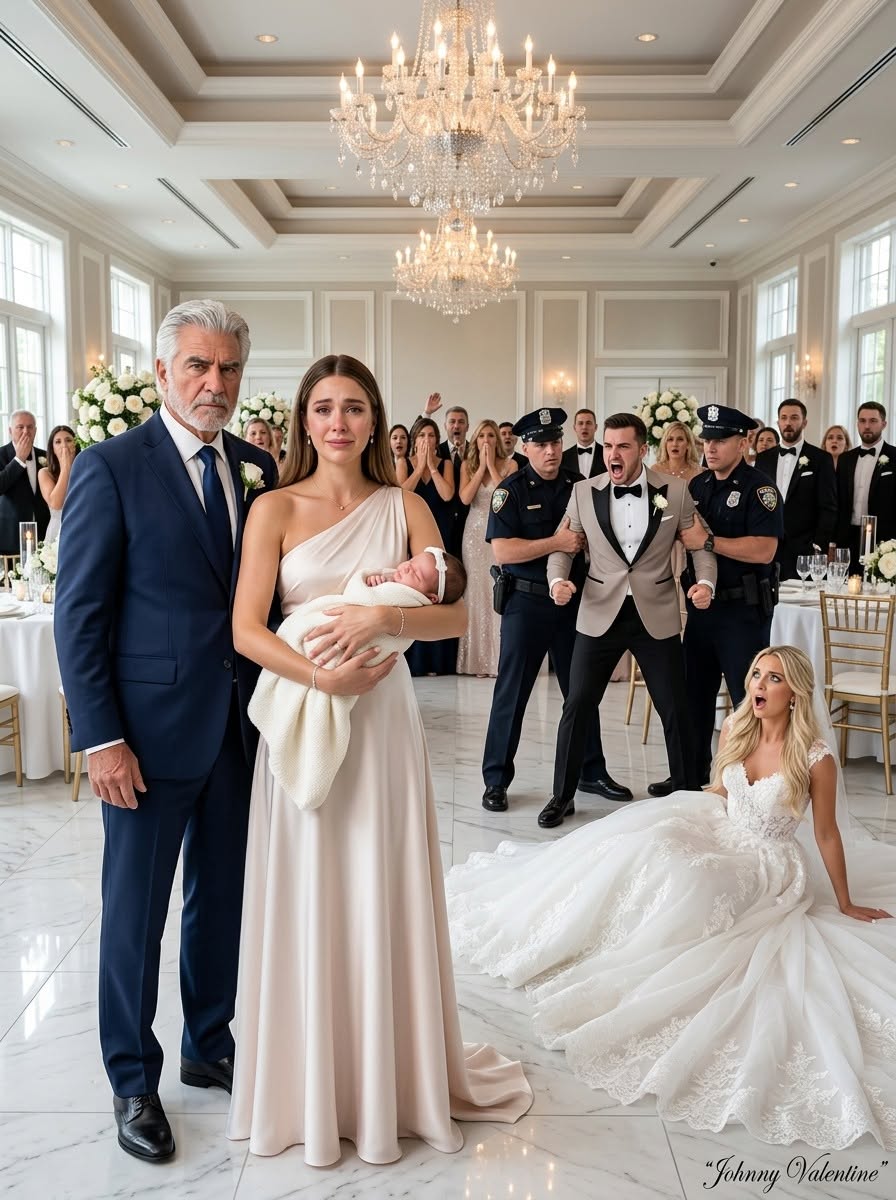
The ballroom was smaller than the Beaumont Grand.
I deliberately chose one without crystal chandeliers.
Noah sat in the front row.
He was eleven now.
Too tall.
Too confident.
Growing faster than permission allowed.
Richard sat beside him.
Harold sat on the other side.
Derek attended too.
Not at the head table.
Not hidden.
Simply present.
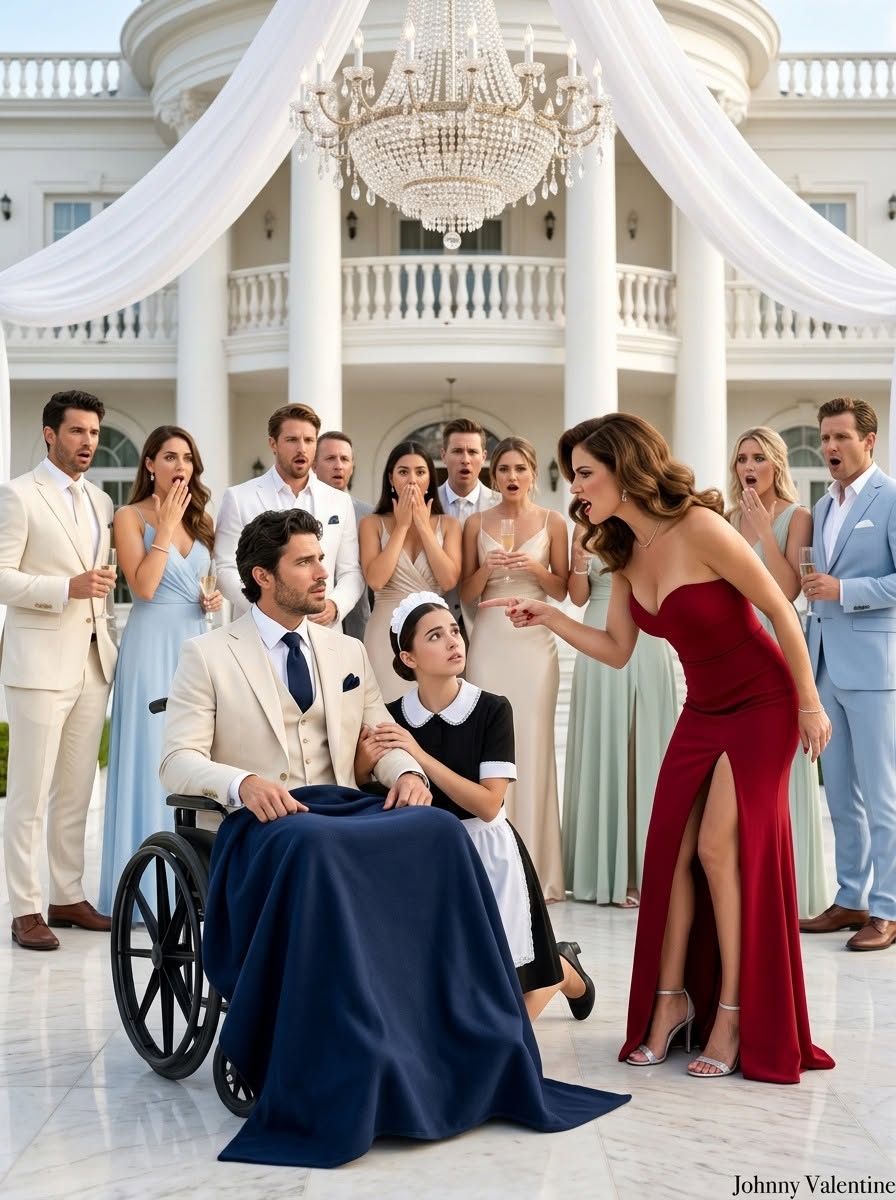
When I stepped onto the stage, I thought about another ballroom.
Another microphone.
Another speech.
A champagne glass hitting marble.
Millions of strangers calling it revenge.
They had been wrong.
The most important thing that happened that night was not Derek losing his job.
It was Noah hearing me say he was not baggage.
That mattered more than every arrest afterward.
I looked at the audience.
“When my son was six,” I began, “someone he loved made him feel like an inconvenience.”
Derek lowered his eyes.
I continued.
“I wanted to protect him from ever feeling that way again.”
I looked toward Noah.
“But children don’t need parents who can erase every painful moment.”
Noah smiled.
“They need adults who remind them pain doesn’t define their value.”
The room was silent.
“My family spent years confusing money with security, success with worth, and protection with control.”
My father looked down.
Harold wiped his eyes.
“We learned slowly.”
A few people smiled.
“Sometimes very slowly.”
Laughter.
“Tonight this foundation exists because families in crisis deserve practical help before crisis becomes identity.”
I finished without mentioning Derek’s fraud.
Without describing the wedding.
Without using humiliation as entertainment.
That chapter belonged to us.
Not the audience.
Afterward, Noah found me backstage.
“You did good.”
“Only good?”
“Eight out of ten.”
“Why eight?”
“You talked too long.”
“Fair.”
He hugged me.
Derek appeared several feet away.
He waited.
Noah waved him over.
“Dad.”
Derek joined us.
For one strange second, the three of us stood together.
Not a family restored.
A family redefined.
Derek looked at me.
“Congratulations.”
“Thank you.”
He glanced toward the stage.
“You were right.”
“About?”
“Almost everything.”
I smiled faintly.
“Careful. I might frame that.”
He laughed.
Then Noah ran toward Richard.
Derek watched him go.
“I used to think losing you was the worst thing that happened to me.”
I said nothing.
“It wasn’t.”
“What was?”
“Becoming someone who deserved to lose you.”
There was no manipulation in his voice.
Just truth.
I nodded.
“And now?”
“Now I’m trying to become someone my son doesn’t have to be ashamed of.”
“That’s a better goal.”
He smiled.
“Yes.”
Months later, on the anniversary of the wedding, I woke early at the lake house.
Noah was already outside.
Richard sat on the dock with two fishing poles.
The sun rose over the water.
I carried coffee down.
My father handed me a rod.
“I don’t fish.”
“You did when you were nine.”
“I also believed mermaids were real.”
“Those beliefs are unrelated.”
I sat.
Noah shouted from farther down the dock.
“Mom! Grandpa says you fell in here once trying to impress a boy!”
I stared at Richard.
“You promised never to tell him.”
“I promised your mother.”
“Dad.”
He smiled.
Noah laughed.
The sound traveled across the lake.
For a moment, I thought about the woman I had been outside those ballroom doors.
Her hand wrapped around her frightened son’s.
Her father standing beside her after fourteen lost years.
She believed she was walking into that room to confront her ex-husband.
She wasn’t.
She was walking out of the life Derek had defined for her.
Weak wife.
Difficult woman.
Embarrassing ex.
Financially unstable mother.
None of those names belonged to me.
They never had.
I looked at Noah.
He was safe.
Happy.
Loved by imperfect people who were finally learning that love required more than words.
I looked at my father.
We could not recover fourteen years.
But we had stopped wasting the ones ahead.
And Derek?
He had lost the wedding.
The career.
The money.
The freedom he once believed made him important.
But eventually, he found something he had never possessed when he stood beneath that chandelier with a champagne glass in his hand.
Accountability.
Sometimes consequences destroy people.
Sometimes they introduce people to themselves.
As for me, strangers still occasionally recognized the viral wedding video.
A woman once approached me at an airport.
“You’re the woman whose billionaire father walked into her ex’s wedding!”
I smiled.
“That was a long time ago.”
“That must have felt amazing.”
I thought about the shattered glass.
The police.
Brittany on the floor.
Derek’s white face.
Then I thought about Noah asking whether his father still needed him.
“No,” I said gently. “It didn’t.”
She looked surprised.
“Really?”
“Really.”
Revenge makes a good fifteen-second video.
Healing takes years.
And healing rarely goes viral.
I preferred it anyway.
That evening, the three of us ate dinner on the porch.
Richard overcooked the steaks.
Noah gave them four out of ten.
My father called the rating unfair.
I laughed.
The lake turned gold beneath the sunset.
My mother’s letters rested safely inside the house.
My son’s college account was restored.
My work mattered.
My family was imperfect and complicated and finally honest.
For years, Derek had believed the greatest surprise of his wedding was discovering who my father was.
He was wrong.
The greatest surprise came afterward.
I discovered who I was without him.
May you like
And this time, nobody else got to define me.
THE END