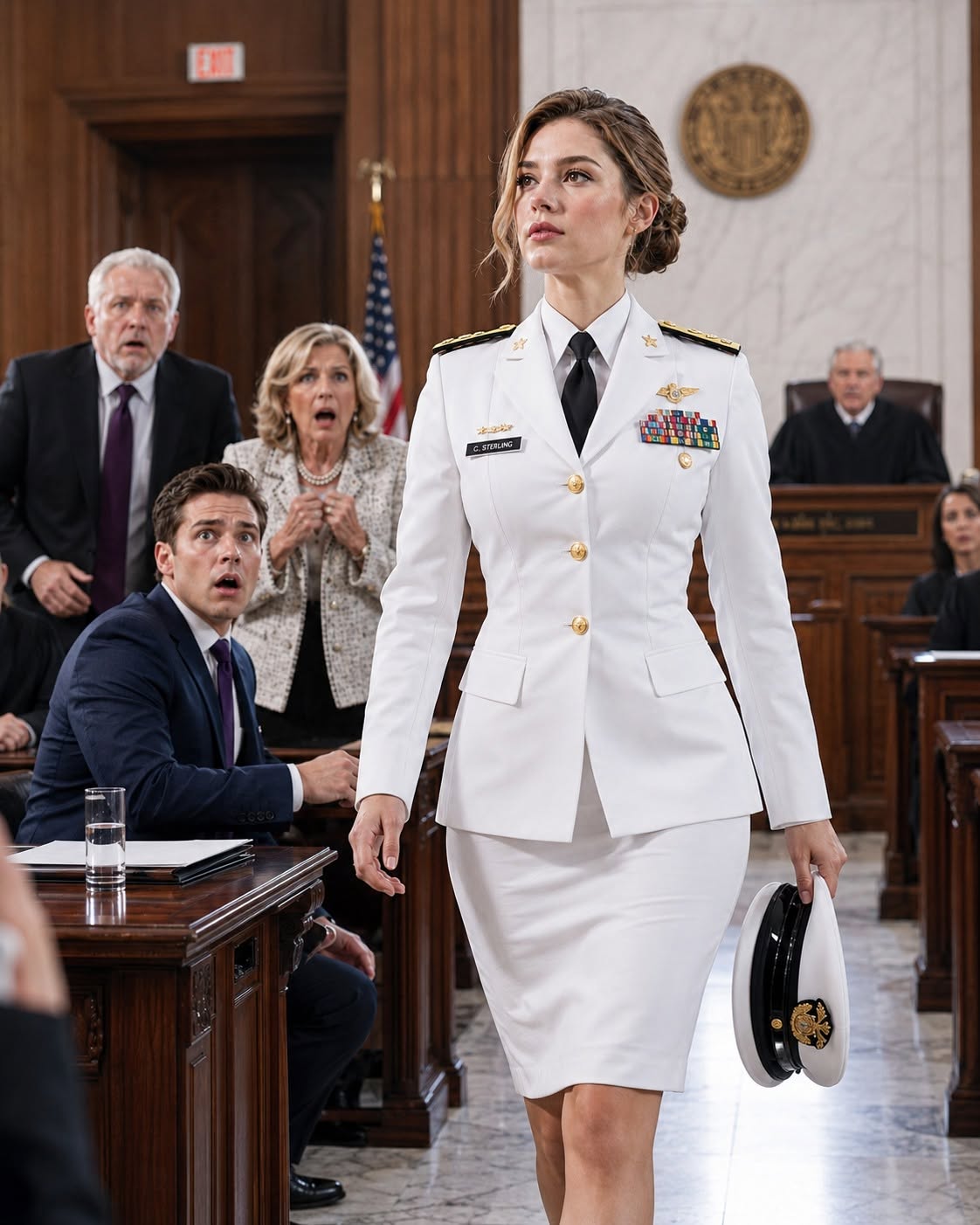
Chapter 11 - THE TRIALTen months later, I sat in a courtroom while Daniel Mercer told twelve strangers that he had always loved me.
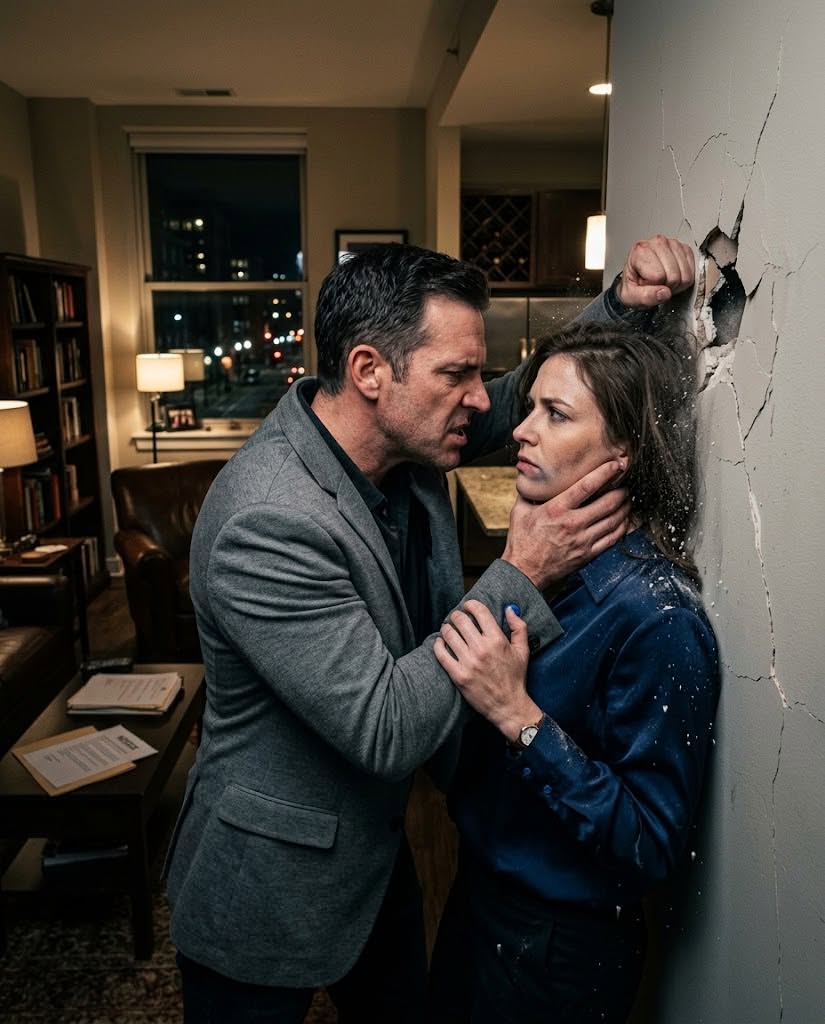
His suit fit perfectly.
His shoulder had healed.
His hair was neatly cut.
If you had entered without knowing anything, you might have mistaken him for an attorney.
That had always been Daniel’s talent.
He looked like whoever the room needed him to be.
His defense strategy was simple.
Everything bad was Sarah.
The blackmail operation?
Sarah.
Robert’s death?
Sarah.
The hidden files?
Sarah.
My brake failure?
A rogue security contractor misunderstanding Daniel’s request.
The bruises?
A troubled marriage exaggerated after the fact.
The recording from our apartment?
“Taken out of context.”
I almost admired the audacity.
Almost.
Sarah pleaded guilty to conspiracy, extortion, obstruction, and her role in Robert’s death.
Judge Bennett accepted a plea.
Thomas Greene did too.
Frank Nolan’s cooperation reduced his sentence but did not erase it.
Evelyn testified for three days.
Allison testified for four.
Jonathan Reed testified behind heightened security.
My mother testified.
Rebecca testified.
Then I did.
The prosecutor asked me to describe the night Daniel was arrested.
I looked at the jury.
Not at Daniel.
“He grabbed my chin.”
“What did he say?”
“No one would ever believe me.”
“What did you do?”
“I pressed a button hidden in my sleeve.”
“Why?”
“Because Detective Hale was listening next door.”
Daniel watched me.
I could feel it.
The prosecutor played the recording.
His voice filled the courtroom.
No one will ever believe you.
Then mine.
You’re right. They don’t have to believe me.
The jury listened.
Nobody moved.
The prosecutor asked:
“Mrs. Mercer, why did you say that?”
“Because I finally understood the difference between being believed and being documented.”
The defense attorney objected.
Overruled.
I continued.
“For years, Daniel convinced me truth was whatever the most powerful person could persuade others to accept.”
I looked at him then.
Only once.
“I stopped arguing with him about the truth. I started preserving it.”
The prosecutor introduced photographs.
Medical records.
Financial documents.
The ledger.
The life insurance policy.
The fake psychiatric records.
The vehicle payment.
Then Robert’s boat recording.
Sarah’s voice.
Daniel’s voice.
My uncle begging for help.
Daniel’s defense attorney argued the audio did not prove Daniel intended Robert to die.
Then Jonathan’s final evidence arrived.
A restored portion of video.
The image was distorted but visible.
Robert in the water.
Daniel leaned over the rail.
Sarah shouted something.
Daniel reached down.
For one second, it looked like he might save Robert.
Then Robert yelled:
“I changed the trust! Claire gets everything and you’ll never touch it!”
Daniel stopped.
He looked at Sarah.
Then stepped backward.
That single movement destroyed his defense.
He had the opportunity.
He chose money.
Later, he helped conceal the death.
The jury saw.
So did Daniel.
For the first time, he looked frightened.
Cross-examination lasted seven hours.
His attorney attacked my memory.
My mental health.
My marriage.
My decision to remain with Daniel.
“Mrs. Mercer, if your husband was so dangerous, why did you stay for eleven years?”
The courtroom became silent.
Old Claire would have tried to explain.
New Claire answered simply.
“Because he was dangerous.”
The attorney paused.
“What do you mean?”
“Leaving him required resources he controlled, communication he monitored, money he restricted, friends he isolated me from, and evidence he knew how to destroy.”
I looked directly at him.
“Staying wasn’t proof I wasn’t afraid. Staying was proof that I was.”
No further question changed that.
Outside court, reporters waited every day.
I refused most interviews.
I didn’t want fame built from my worst memories.
Mercer House had reopened under an entirely new board and name.
Survivors previously served by the organization were contacted by independent advocates.
A compensation fund was created from seized assets.
I donated part of Robert’s inheritance.
Not all.
That decision surprised people.
A reporter asked why I kept some.
“Because women are allowed to keep money that belongs to them.”
The clip went viral.
Rebecca sent it to me with fourteen laughing emojis.
For once, going viral felt harmless.
My inheritance totaled slightly more than thirty-two million after legal adjustments.
For years, Daniel had treated it as his future.
I used part of it to buy a modest house outside the city.
Three bedrooms.
Too many windows.
A garden I didn’t know how to maintain.
No wall had holes.
That mattered.
My mother and I were rebuilding slowly.
Not perfectly.
I had learned not to confuse forgiveness with immediate access.
Helen apologized.
I listened.
I did not erase what happened.
She respected that.
One evening, she stood in my kitchen washing dishes.
“I should have protected you.”
I dried a plate.
“Yes.”
She looked at me, surprised.
People expect forgiveness to begin with denying harm.
Mine didn’t.
“I’m sorry.”
“I know.”
“Will you ever forgive me?”
“Maybe.”
She nodded.
“That’s fair.”
Strangely, that was the moment I started to.
Marcus stayed in my life too.
Not romantically.
At least not then.
He became a friend who occasionally appeared with terrible coffee and paperwork.
Rebecca teased me relentlessly.
“You know he likes you.”
“He’s a detective.”
“Those categories can overlap.”
“I’m legally traumatized by men in jackets.”
“He wears bad jackets.”
“Strong defense.”
Marcus heard about the joke and deliberately wore his ugliest coat the next time he visited.
I laughed until I cried.
Healing was strange.
Sometimes it looked like therapy.
Sometimes sleeping eight hours.
Sometimes hearing a door slam and not panicking.
Sometimes laughing at a bad coat.
The jury deliberated for two days.
I expected longer.
When they returned, the courtroom filled instantly.
Daniel stood.
I sat behind prosecutors.
The clerk read the verdicts.
Conspiracy.
Guilty.
Fraud.
Guilty.
Attempted murder relating to my vehicle.
Guilty.
Obstruction.
Guilty.
Assault.
Guilty.
Financial crimes.
Guilty.
Robert’s death produced the longest pause.
Felony murder under the charged theory.
Guilty.
Daniel closed his eyes.
His mother began crying.
I felt nothing triumphant.
That surprised me.
Justice did not feel like fireworks.
It felt like a locked door finally clicking shut.
At sentencing weeks later, Daniel was allowed to speak.
He turned toward me.
The judge immediately warned him to address the court.
Daniel did.
But his words were for me.
“I made mistakes.”
Mistakes.
“I lost myself.”
Lost himself.
“I loved my wife.”
There it was again.
The word he still believed entitled him to rewrite everything.
Then the judge asked whether I wished to speak.
I stood.
My prepared statement was twelve pages.
I used three paragraphs.
“Daniel spent years telling me nobody would believe me. For a long time, I thought the worst thing he had stolen was my credibility.”
I looked at him.
“I was wrong.”
“The worst thing he stole was my belief that my life belonged to me.”
I paused.
“But that was temporary.”
His eyes moved.
“For the rest of my life, you will not be the main character in my story.”
Daniel’s face changed.
That sentence hurt him more than hatred ever could.
I sat.
The judge sentenced him to decades in prison.
Effectively life.
Reporters rushed outside.
I left through another door.
Marcus waited in the hallway.
“That’s it,” he said.
“No.”
He looked confused.
I smiled.
“That’s the point.”
May you like
The trial was over.
But my life was not.