Chapter 9 - I BROUGHT THE THREE EMPTY CHAIRSJonathan hated my plan.
“That’s why you have attorneys,” he told me.
“No. I have attorneys to handle legal problems.”
“This is becoming a legal problem.”
“It became a legal problem when my father forged my signature.”
“Public statements can complicate prosecution.”
“I’m not discussing sealed evidence.”
“Then what are you discussing?”
“The funeral.”
He sighed.
“Emma.”
“My mother told the country that grief and money hardened me.”
“She told a local television audience.”
“The clip has four million views.”
“Fair point.”
I leaned across his desk.
“I stayed silent while they skipped the funeral. I stayed silent when they came for money. I stayed silent when Dad’s fraud became public.”
“Which was wise.”
“And every silence gave them space to write the story for me.”
Jonathan studied me.
“What exactly do you want to do?”
“Launch the foundation.”
He blinked.
“That was already planned.”
“Move it forward.”
“To when?”
“Friday.”
“That’s three days.”
“Yes.”
“And use the press event to respond?”
“No.”
I looked at him.
“I’ll use the foundation event to tell people what the money actually became.”
That changed his expression.
The Daniel, Sophie & Caleb Hart Foundation had already leased a former assisted-living property outside Savannah.
We were converting it into temporary apartments for military families who needed housing after sudden death, medical crisis, or emergency relocation.
Twelve family suites.
Childcare rooms.
Legal-aid offices.
A grief counseling center.
A memorial garden.
Most of my settlement had been placed into the foundation’s endowment.
The eighteen-point-seven-million-dollar headline made me look wealthy.
The truth was that I had deliberately placed more than fourteen million beyond my personal use.
I had kept enough to secure my home, retirement, and ordinary life.
No private jet.
No mansion.
No revenge spending.
Friday morning, reporters crowded outside the foundation property.
Jonathan stood beside me.
Margaret sat in the front row.
Brooke arrived quietly and took a seat in the back.
I hadn’t invited Mom.
I also hadn’t told her not to come.
She did.
Mom appeared fifteen minutes before the event.
I saw her near the gate.
She wore sunglasses.
A reporter immediately recognized her.
Microphones swung in her direction.
She looked terrified.
I could have had security remove her.
I didn’t.
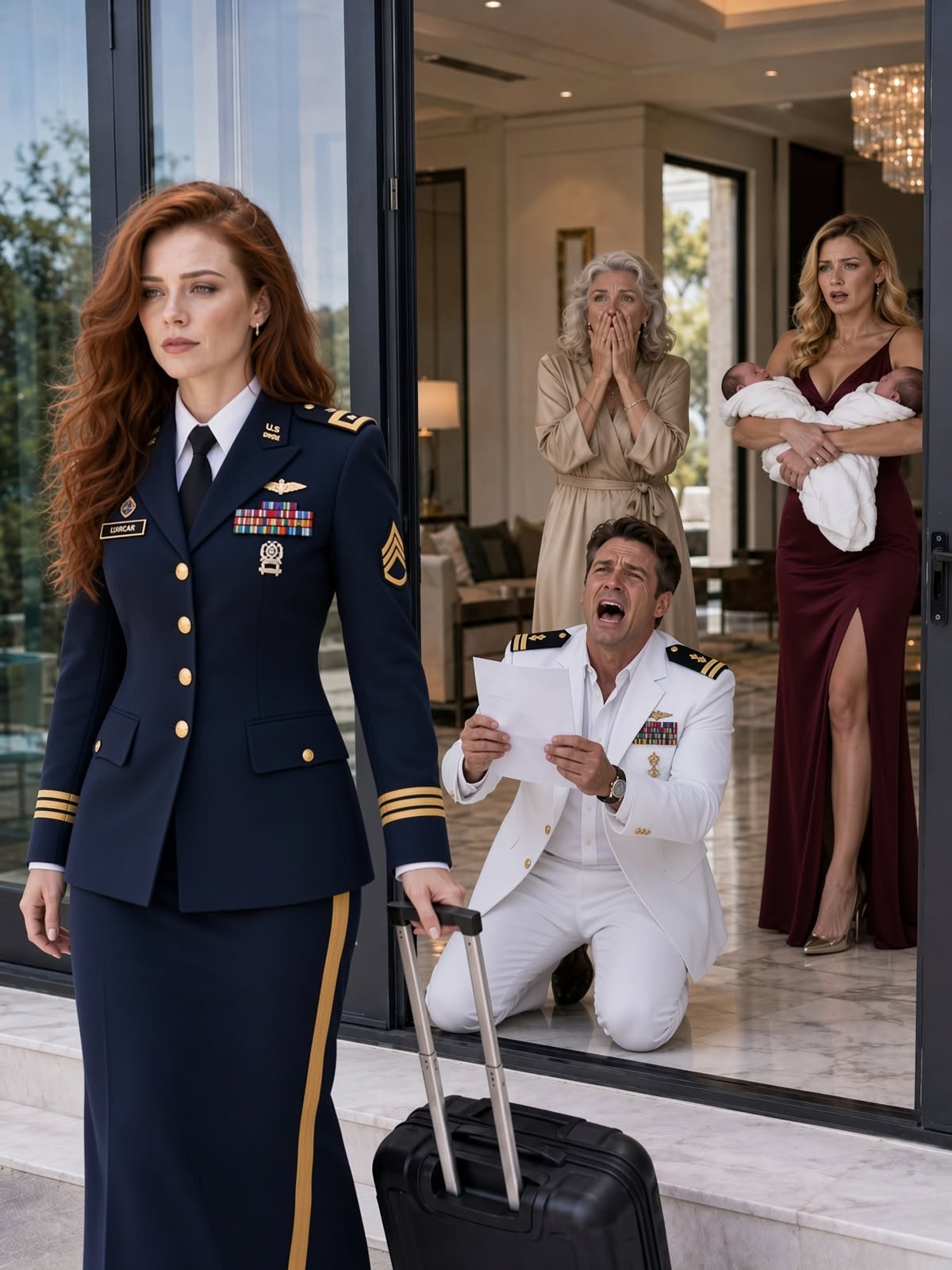
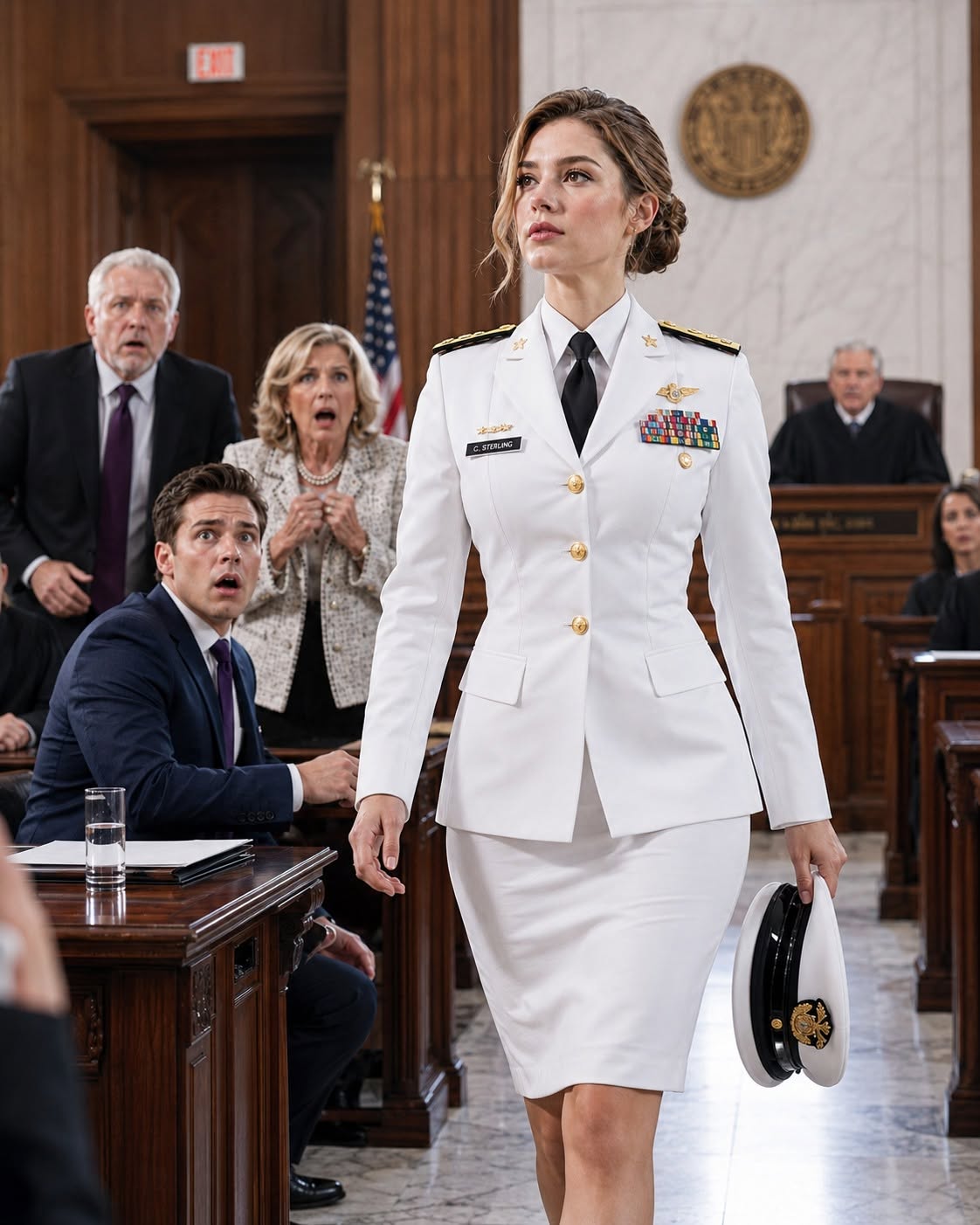
When the event began, I walked toward the podium in Army service uniform.
Behind me stood three empty white chairs.
People noticed immediately.
I waited until the cameras settled.
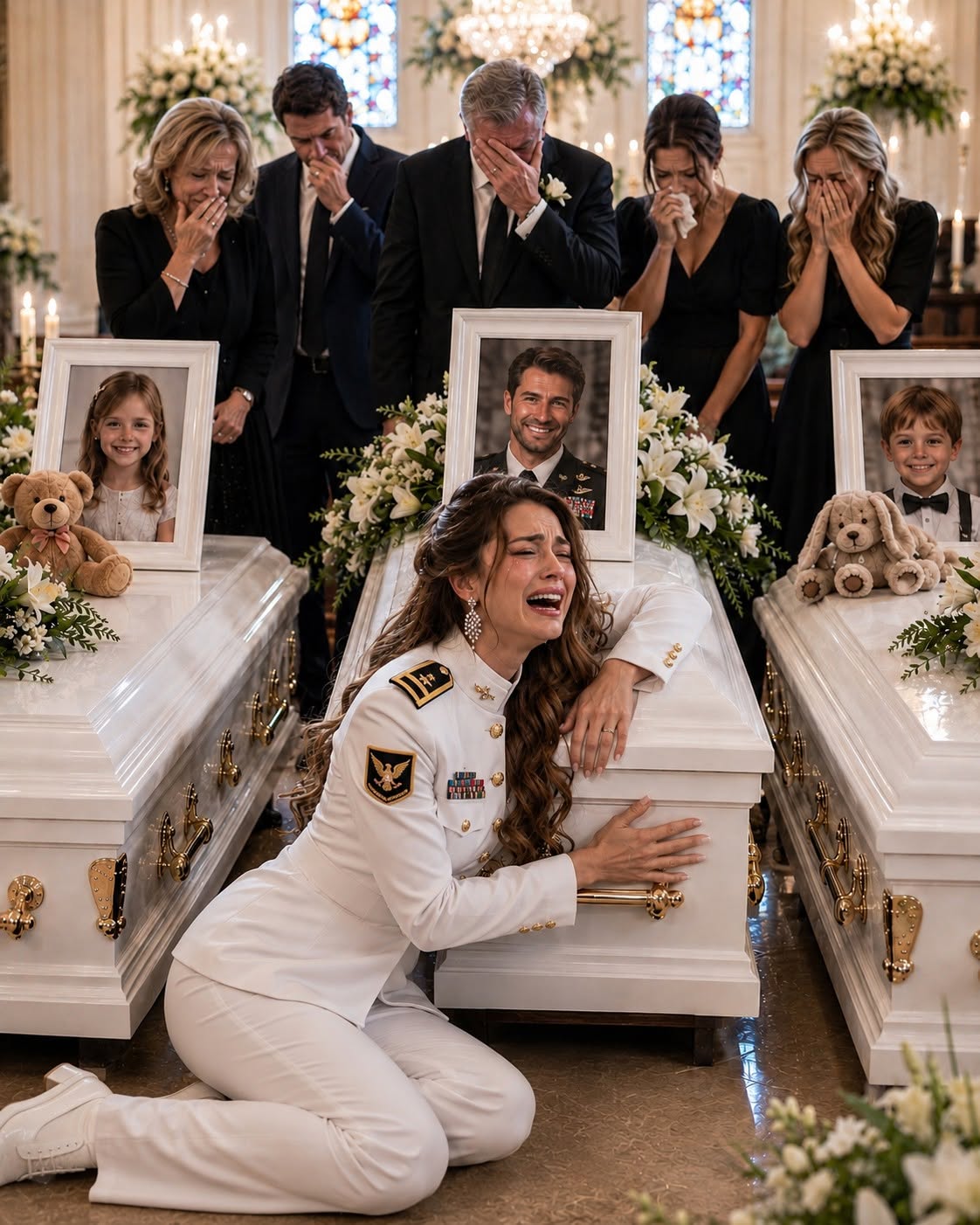
“Six months ago, I buried my husband, Daniel Hart, and our two children, Sophie and Caleb.”
The crowd became silent.
“I’ve spent the months since learning that grief changes the meaning of ordinary things.”
I looked at the building behind me.
“A spare bedroom can become unbearable. A grocery aisle can become a memory. A number can become a headline.”
Cameras clicked.
“Over the past week, much has been written about the number eighteen point seven million dollars.”
I paused.
“That figure came from a legal settlement connected to work my husband completed and wrongdoing he documented before his death.”
Jonathan had approved that wording.
“I did not earn that money by being cleverer than anyone. I received it because Daniel refused to stay silent when people acted dishonestly.”
Several reporters shifted.
“And because of that, I decided the money should honor what he believed.”
I explained the foundation.
Fourteen million committed.
Emergency apartments.
Childcare.
Legal aid.
Scholarships for children of deceased service members.
Then I gestured toward the empty chairs.
“These three chairs represent the only three people whose approval I would trade every dollar to have.”
My voice shook.
I let it.
“The largest financial event of my life is also the least important thing that happened to me this year.”
Mom began crying in the crowd.
I saw her.
I continued.
“Some people have asked why I did not use my settlement to rescue Westbridge Home Group.”
A ripple moved through the reporters.
“I cannot comment on an active federal case. But I will say this: refusing to repay money another person takes without your permission is not cruelty.”
Silence.
“And being related to someone does not transform theft into a loan.”
Mom lowered her head.
I breathed slowly.
“Finally, people have asked about a family disagreement surrounding the funeral.”
My hands tightened around the podium.
“It wasn’t a disagreement.”
I looked directly at the cameras.
“My parents and sister chose not to attend my husband and children’s funeral because my sister’s thirtieth birthday celebration was scheduled the same day.”
A reporter gasped softly.
“I begged them to come.”
My voice broke.
“They didn’t.”
I looked at Sophie’s empty chair.
“I received photographs from the party while sitting at the funeral home.”
Brooke began crying openly.
“This isn’t something I share to invite strangers to hate my family.”
I looked toward Mom.
“It is something I share because people should understand the difference between forgiveness and access.”
Mom removed her sunglasses.
Tears streamed down her face.
“I may forgive people one day.”
I paused.
“But forgiveness does not require me to finance them, trust them, or pretend the harm never happened.”
The crowd was utterly still.
Then I smiled slightly.
“Today isn’t about them.”
I turned toward the building.
“It’s about the first twelve families who will sleep here without worrying about hotel bills while their lives fall apart.”
The applause began quietly.
Then rose.
I stepped away from the podium.
Margaret hugged me first.
“You did good.”
“I almost threw up.”
“You can do that later.”
Brooke approached.
Her mascara had run.
“I’m proud of you.”
I looked at her.
“Thank you.”
She glanced toward the empty chairs.
“I should’ve been there.”
“Yes.”
“I know.”
For the first time, her apology didn’t ask me to make her feel better.
Then Mom approached.
Security looked toward me.
I nodded.
Let her.
She stopped five feet away.
“I’m sorry.”
The cameras were still everywhere.
I said quietly, “Not here.”
“I need you to know—”
“Not for cameras.”
That stopped her.
I stepped closer.
“If you’re sorry, be sorry when nobody is watching.”
Her face crumpled.
I walked away.
By that evening, the video had been viewed more than twelve million times.
The comments changed.
So did the headlines.
But the story I cared about arrived in a handwritten note the following Monday.
It came from a woman named Sergeant Maya Lopez.
Her husband had died unexpectedly eight months earlier.
She and her toddler spent nineteen days moving between relatives’ couches because she couldn’t afford emergency childcare and temporary housing simultaneously.
She wrote:
I wish your foundation existed when I needed it. I’m glad it will exist for the next woman.
I pinned the note above my desk.
That was the first moment eighteen point seven million dollars felt real.
Not when the settlement cleared.
Not when reporters arrived.
When one grieving stranger told me something good could grow from it.
Three weeks later, my father’s attorney contacted Jonathan.
Dad wanted a meeting.
Not with prosecutors.
With me.
Jonathan asked whether I wanted to refuse.
I almost did.
Then he added:
“He says he has information Daniel never knew.”
I looked at Daniel’s letter in the safe.
“What information?”
“He won’t tell me.”
“Then no meeting.”
Jonathan hesitated.
“There’s one thing he did say.”
“What?”
“He says the money stolen from the children was not the first money taken from you.”
I went cold.
May you like
“What does that mean?”
“He says it started when you were eighteen.”
Related Stories