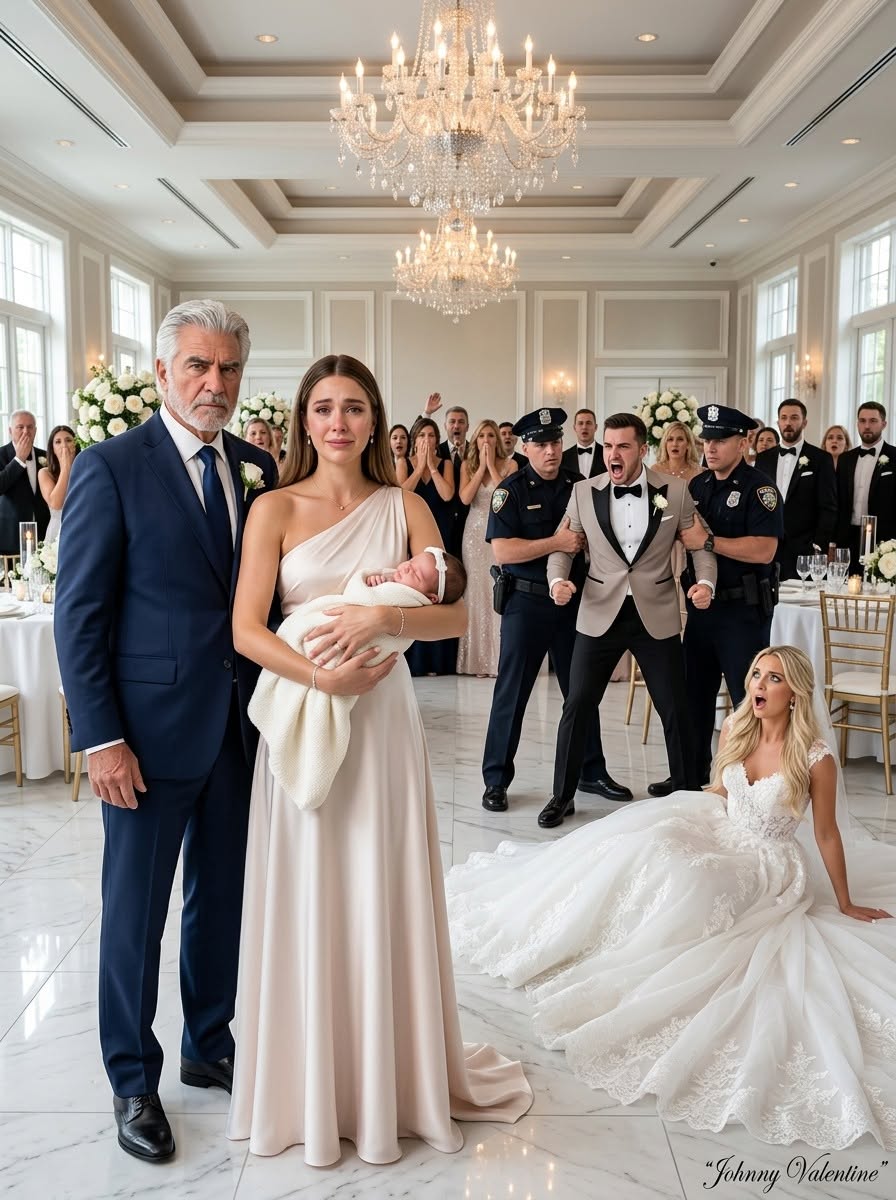
Chapter 13 - The Trial of Victoria Whitmore

Victoria did not go quietly.
People like Victoria mistook silence for surrender because they had never learned the dignity of restraint.
She hired new attorneys. She blamed Lauren. She blamed Daniel. She blamed Emily. She blamed Henry Rowan, who had been dead for years and still had more integrity in his grave than Victoria had in her living body.
But documents do not care about social status.
Emails do not respect diamonds.
Bank records do not curtsy.
By spring, Victoria faced civil fraud claims and possible criminal referral connected to misappropriated loan funds, forged authorization efforts, and conspiracy to discredit Emily’s competency.
The hearing was not glamorous.
No chandeliers.
No champagne.
No society photographers.
Just fluorescent lights, wooden benches, and consequences.
Emily attended only the first day.
Marcus asked if she was sure.
“I need to see it begin,” she said. “I don’t need to watch every moment of it.”
Victoria entered wearing black.
When she saw Emily, her mouth tightened.
During a recess, Victoria approached her in the hallway.
“You think this makes you powerful?”
Emily looked at the older woman.
“No. Power was always there. This makes you accountable.”
Victoria laughed bitterly. “Your father should have stayed out of my family’s affairs.”
“My father kept your family from ruin.”
“He humiliated us.”
“No,” Emily said. “He helped you privately. You humiliated yourself by turning gratitude into hatred.”
Victoria’s eyes flashed with something old and wounded.
For a moment, Emily saw the frightened young woman from the photograph.
Then Victoria buried her again.
“You will never be one of us.”
Emily smiled faintly.
“That is the kindest thing you have ever said to me.”
She walked away.
Daniel testified on the third day.
He told the truth.
Not perfectly. Not heroically. But fully enough.
He admitted his failures. He admitted approving questionable payments. He admitted that Victoria had encouraged aggressive strategies against Emily. He admitted he had ignored warnings because he wanted rescue without humility.
When asked why he was cooperating, he looked down.
“Because my wife spent twelve years saving me,” he said. “The least I can do now is stop lying.”
Emily read the transcript later.
She did not cry.
But she sat quietly for a long time.
Healing, she realized, did not always arrive as joy.
Sometimes it arrived as the absence of rage.
Lauren took a deal and testified against Victoria.
Victoria avoided prison through settlement and cooperation, but lost nearly everything that mattered to her: board seats, foundation control, social standing, and access to Whitmore operations.
The headlines were brutal.
Emily did not celebrate.
May you like

She had learned that revenge was loud, but restoration was stronger.
And she was building something stronger.