Chapter 10 - The Man Who Wanted Me to BreakGrant’s trial began eleven months after Tessa’s phone call.
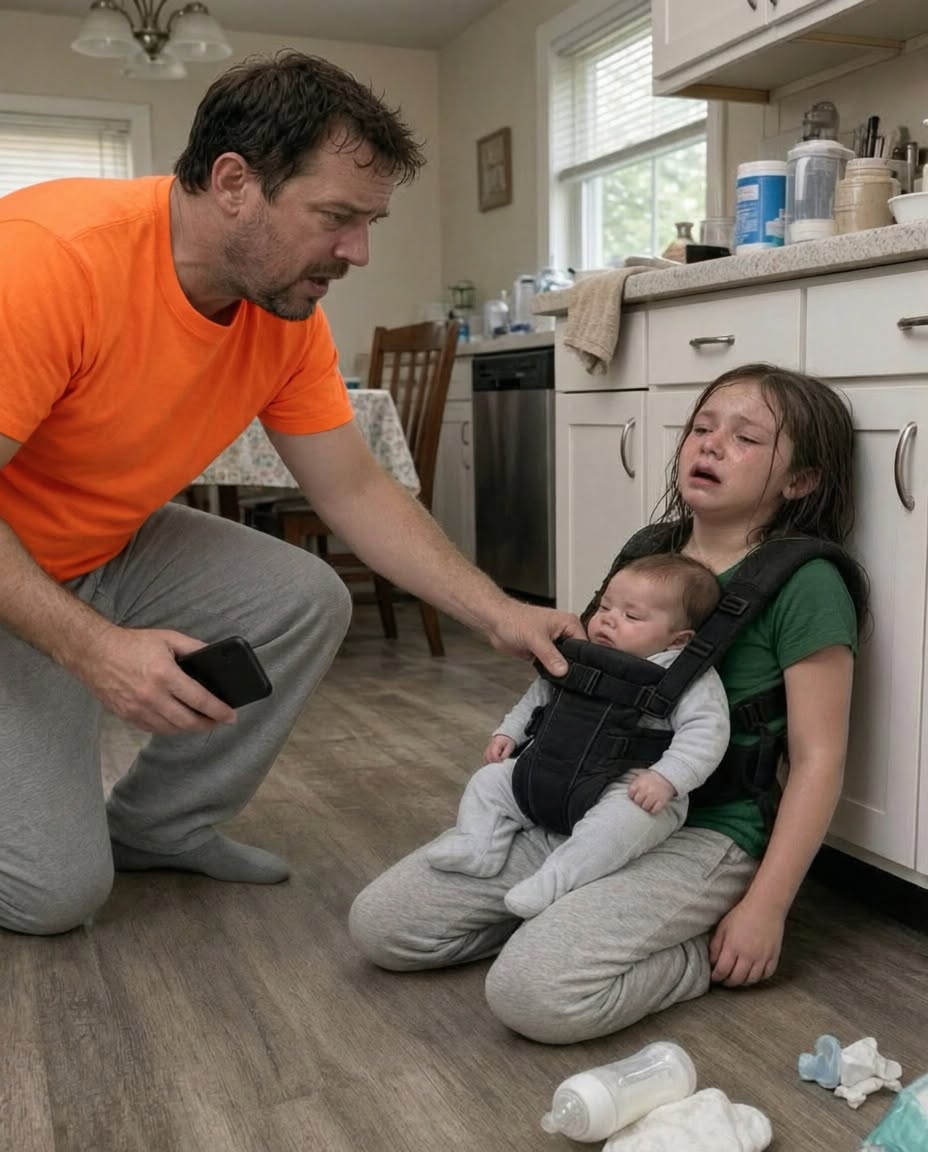
By then, Noah was walking.
Tessa had turned ten.
Rachel and I were legally separated but had not filed for divorce.
That decision confused almost everyone except us.
We weren’t pretending the marriage was repaired.
We were simply refusing to make another major decision because fear, anger, or outside pressure demanded it.
Rachel had moved from supervised visits to shared daytime parenting.
She had earned it.
Not through dramatic speeches.
Through consistency.
Appointments.
School pickups.
Therapy.
Honesty.
Showing up.
She never missed once.
I noticed.
So did Tessa.
The trial drew national attention.
Twenty-three families.
Seventeen years.
Fake identities.
Financial theft.
Stalking.
Manufactured abuse evidence.
Witness intimidation.
Attempted kidnapping.
Caroline’s death.
Grant sat at the defense table in a dark suit.
He looked smaller than I remembered.
Not harmless.
Smaller.
That mattered to me.
Fear had made him enormous.
Courtrooms reduced him to one man in one chair.
Rachel testified for two days.
Grant’s attorney attacked her credibility.
“You lied to your husband?”
“Yes.”
“You planned to leave with the children?”
“Yes.”
“You transferred marital funds?”
“Yes.”
“You made negative statements about your husband?”
“Yes.”
“You continued communicating with my client voluntarily?”
“Yes.”
The attorney seemed frustrated by her refusal to defend herself.
Then:
“So why should this jury believe you now?”
Rachel looked toward the jury.
“Because everything I did wrong is documented.”
She paused.
“I’m not asking anyone to believe I was innocent.”
Then she looked at Grant.
“I’m asking them to look at what he did with my mistakes.”
That answer changed the room.
Eleanor testified.
Thomas testified.
Meredith testified.
Other women testified.
Other husbands.
One man had not seen his daughter in nine years because of allegations Grant helped manufacture.
He cried on the stand.
Then came Caroline.
Not physically.
Through recordings.
Her voice filled the courtroom.
Grant’s face changed for the first time.
Caroline had documented conversations he didn’t know existed.
In one, Grant admitted moving money.
In another, he described framing Thomas.
Then the journal.
Caroline wrote that Grant had been supplying her with pills.
She had hidden several tablets.
Tests performed years later found unexpected concentrations inconsistent with the prescription label.
Prosecutors argued Grant had deliberately increased dosage while encouraging Caroline to use them.
Murder was harder to prove.
But poisoning, controlled-substance distribution, and reckless endangerment charges strengthened.
Then I took the stand.
Grant had received permission to question certain witnesses himself after repeated disputes with counsel.
The judge warned him.
He smiled at me.
“Mr. Mercer.”
I looked at him.
“Mr. Keller.”
His smile thinned.
“You prefer Daniel?”
“I prefer the truth.”
Prosecutors objected.
Sustained.
Grant paced.
“You train dogs?”
“Yes.”
“You use pressure?”
“Sometimes.”
“Punishment?”
“Rarely.”
“But sometimes.”
“Yes.”
“So you understand coercion.”
“Yes.”
“Would you call yourself controlling?”
“No.”
“Your wife did.”
“Sometimes.”
Grant looked pleased.
“Your wife told me you ignored her.”
“Yes.”
“You forgot anniversaries.”
“One.”
“You worked during family events.”
“Yes.”
“You shouted at her.”
“Occasionally.”
“You grabbed her wrist once.”
The prosecutor objected.
I raised my hand slightly.
“I can answer.”
Judge allowed it.
“Yes.”
Murmurs.
Grant smiled.
“Tell the jury.”
“She was falling from a ladder.”
His smile disappeared.
“I grabbed her wrist and pulled her toward me.”
A few jurors smiled faintly.
Grant changed direction.
“You were angry when you found her second phone.”
“Yes.”
“Furious?”
“Yes.”
“Did you want to hit me?”
The courtroom went quiet.
My attorney had prepared me for this.
Tell truth.
Nothing more.
“Yes.”
Rachel looked toward me.
Grant’s eyes brightened.
“You wanted to physically hurt me.”
“Yes.”
“Kill me?”
I paused.
“At moments, yes.”
The prosecutor stood.
Grant lifted his voice.
“Because I threatened your family?”
“Yes.”
“So violence is inside you.”
“Inside most people.”
“You admit you’re violent.”
“No.”
“You just said—”
“I said feelings and actions are different.”
Grant stared.
I continued before he could stop me.
“That’s something you never understood.”
Objection.
The judge warned me to answer only questions.
Grant approached.
“You think you’re better than me?”
“No.”
“You do.”
“No.”
“Your wife chose me.”
Rachel flinched.
Grant smiled.
“She told me secrets she wouldn’t tell you.”
I looked at him.
“Yes.”
“She trusted me.”
“Yes.”
“She wanted to leave you.”
“Yes.”
Every yes took power away from him.
He wanted denial.
Defensiveness.
Rage.
I gave him reality.
Grant stepped closer.
“And when your daughter called you crying, whose failure did you see first?”
The question hit.
“My wife’s.”
Rachel closed her eyes.
“And yours?”
“Yes.”
Grant paused.
That was not the answer he expected.
“You blame yourself?”
“For not seeing what was happening in my family sooner.”
Grant laughed softly.
“So you failed.”
“Yes.”
He stared at me.
I added:
“And then I went home.”
His face changed.
That was the difference.
Everyone fails.
Grant built his life around convincing people that failure defined them permanently.
It didn’t.
You could go home.
You could tell the truth.
You could change.
You could repair what remained.
Grant returned to his table.
“No further questions.”
The jury deliberated for fourteen hours.
Guilty.
Fraud.
Extortion.
Stalking.
Identity theft.
Witness tampering.
Kidnapping conspiracy.
Attempted child abduction.
Multiple counts.
The Caroline-related charges produced mixed results.
Not guilty of murder.
Guilty of illegal drug distribution and reckless conduct contributing to her death.
Eleanor cried when the verdict was read.
Not because it was perfect.
Because it was finally something.
At sentencing, Grant received decades in federal prison, consecutive to state sentences.
He would be an old man before any realistic possibility of release.
Meredith received twelve years after cooperation.
The network was over.
Outside court, reporters surrounded us.
I said nothing.
Rachel said one sentence.
“Believe evidence, not fear.”
Then we went home.
Not our old home.
The rental under the oak tree.
That evening, Tessa asked:
“Is the bad man gone?”
“Yes.”
“For real?”
“Yes.”
“Can we stop hiding?”
I crouched.
“Yes.”
She hugged me.
Then looked at Rachel.
“Mom?”
“Yes?”
“Are you coming home too?”
Silence.
Rachel looked at me.
I looked at her.
We had discussed many possibilities.
Not this exact moment.
Rachel knelt.
“I have my apartment.”
“I know.”
“Do you want me here?”
Tessa nodded.
“For dinner.”
Rachel laughed through tears.
“I can do dinner.”
That night we ate spaghetti.
No courtroom.
No police.
No hidden phones.
No recordings.
No fear.
Just tomato sauce on Noah’s face and Tessa complaining that I used too much garlic.
When Rachel left, I walked her to her car.
“Thank you.”
“For dinner?”
“For not saying yes to more than we’re ready for.”
She nodded.
“I’ve learned something about promises.”
“What?”
“Make small ones you can keep.”
I smiled.
“Good rule.”
She opened her car door.
“Daniel?”
“Yeah?”
“I’m proud of you.”
I almost dismissed it.
Instead I said, “Thank you.”
Then:
“I’m proud of you too.”
She cried all the way to the car.
A month later, I received a letter.
From Grant.
Prison mail.
I considered throwing it away.
Then I opened it.
One sentence.
People like you always need happy endings because you cannot tolerate the truth.
I read it twice.
Then I laughed.
Because for once, Grant was wrong in a way that mattered.
Happy endings were not endings without scars.
They were what happened when scars stopped controlling the story.
May you like



I tore the letter in half.
Then I went outside where my daughter was waiting for me.







