Chapter 11 - WHAT THEY DID WITH THE ENVELOPEMy parents used the cash for a motel.
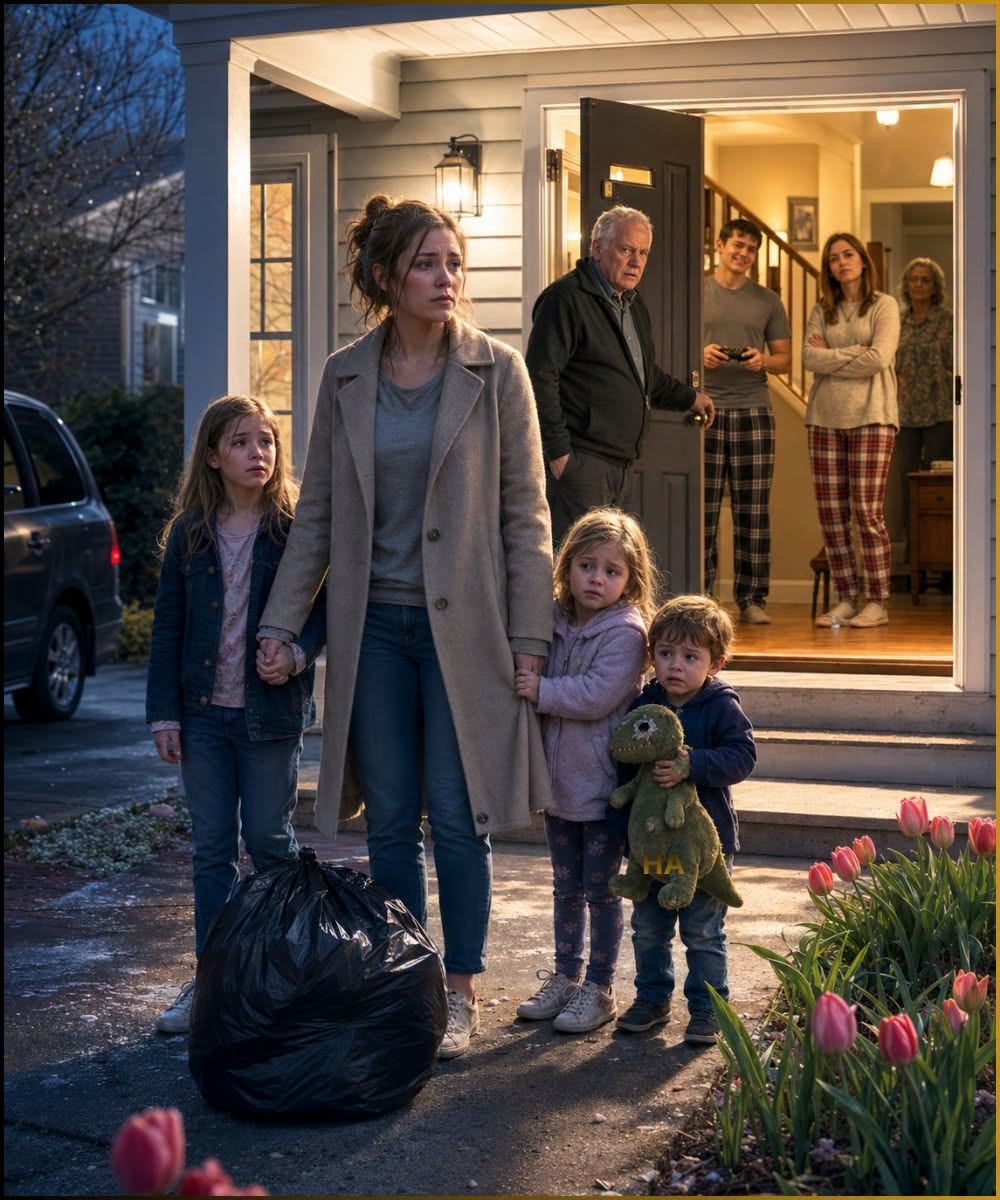
I know because Brooke told me.
Tyler tried to take half of it in the parking lot.
My father stopped him.
That was new.
Not enough.
But new.
The next morning, my father called the foreclosure legal aid number. My mother called no one for three hours, then finally called the church emergency contact after Brooke refused to leave work to “handle it like family.”
Tyler disappeared again.
This time, my father did not chase him.
Progress, Angela told me later, often looks less like healing and more like refusing to continue the damage.
I did not see my parents for six weeks.
During that time, life kept moving.
The Clean Slate landed a contract with a property management company for move-out cleanings. It was steady work, hard work, good money. I hired Allison part-time after she left her husband and needed income that would not punish her for having children.
We cleaned empty apartments with scratched floors and forgotten curtains.
We cleaned houses after divorces, deaths, births, evictions, and fresh starts.
I learned that homes hold stories in corners.
Glitter in floorboards.
Crayon on baseboards.
Holes behind doors.
Wedding rice in vents.
Dust where pictures used to hang.
The work never felt small to me.
We were not just cleaning.
We were helping people cross thresholds.
One afternoon, Mrs. Hanley called while I was labeling supply bins.
“I have a proposition,” she said.
“With you, that could mean anything from tea to felony arson.”
“Don’t tempt me. I want to invest in your business.”
I nearly dropped the phone.
“No.”
“You didn’t hear the terms.”
“I don’t need charity.”
“I didn’t offer charity. I offered investment. Don’t insult me by confusing the two.”
Mrs. Hanley had a way of making refusal feel rude.
She wanted to fund a small office and storage space downtown. In exchange, she would receive a modest percentage of profits for three years, capped at a fair return. Mr. Bell reviewed the agreement. Nina reviewed it too because by then legal paranoia had become part of my personality.
Both said it was smart.
So The Clean Slate moved into a narrow storefront between a barber shop and a florist.
We painted the walls ourselves.
Katie insisted the mop logo stay.
Sadie built a simple website.
Owen placed a dinosaur on my desk “for biting contracts.”
On opening day, Marla brought a ribbon.
Denise brought coffee.
Renee brought flowers.
Brooke brought my parents.
I did not know she was bringing them.
For a second, anger flashed hot.
Brooke saw my face and whispered, “They asked. I told them you might say no. They said they understood.”
My father stood in a suit that hung looser than it used to. My mother wore no pearls.
That, more than anything, startled me.
She looked like a woman without armor.
“We won’t stay if you don’t want us to,” my father said.
The storefront was full of employees, clients, children, and friends. My instinct screamed to protect the day.
Then my mother held out something.
A gift bag.
My whole body tightened.
“We didn’t bring presents for the children,” she said quickly. “We know that’s not how this works.”
I took the bag slowly.
Inside was a framed drawing.
Katie’s original smiling mop logo.
My mother had saved it from The Clean Slate Facebook page, printed it, and framed it.
On the back, in her handwriting, it said:
You built something beautiful. I am sorry I did not believe you could.
I read it twice.
Then I looked at her.
Her eyes were wet, but she did not reach for me.
She did not demand comfort.
That mattered.
“Thank you,” I said.
It was not forgiveness.
It was a door cracked one inch.
Sometimes that is enough for one day.
My father shook my hand.
Not hugged.
Shook.
“I’m proud of you,” he said.
The words hurt.
Because I had wanted them for so long.
Because they were late.
Because they still mattered.
I nodded.
“I am too.”
He smiled sadly.
“Good.”
They stayed twenty minutes.
My mother spoke gently to the children but did not touch them without asking. Sadie answered politely. Katie showed her the supply closet. Owen asked if Grandma knew any dinosaur facts.
She knew one.
Barely.
He accepted it.
After they left, Brooke came to stand beside me.
“Too much?”
“Almost.”
“I’m sorry.”
I watched my parents walk down the sidewalk together, slower than before.
“No,” I said. “It was okay.”
That evening, Mark sent a message through the monitored parenting app.
Congratulations on the business. The kids mentioned it.
I stared at it suspiciously.
Then another message came.
I’ve completed the parenting program. I know that doesn’t erase anything. I’d like to discuss a healthier schedule when appropriate.
I waited for the hook.
It did not come.
Maybe it was a performance.
Maybe it was the beginning of accountability.
Maybe both.
I replied the way Nina had taught me.
Thank you for letting me know. Please send documentation through the app. Any schedule changes can be discussed with counsel/mediator.
Calm.
Clear.
Boring.
Powerful.
A month later, we attended mediation.
Mark looked tired in a way I had not seen before. Less polished. Less certain.
“I was angry,” he said at one point.
Nina’s pen paused.
Mark looked at me.
“No. That’s not enough. I was controlling. I scared you. I used money and the kids because I knew those were the things you cared about most.”
The room went quiet.
I did not forgive him in that moment.
But something unclenched.
Not for him.
For me.
“I hope you keep working on that,” I said.
He nodded.
“I am.”
We agreed to a cautious step-up plan tied to continued counseling and the children’s comfort. Sadie remained cautious. Katie adapted. Owen mostly cared whether Mark had snacks.
I learned that happy endings are not always people becoming wonderful.
Sometimes they are people becoming manageable.
Sometimes they are boundaries strong enough that another person’s growth or failure no longer controls your peace.
By summer, The Clean Slate had eight employees.
By fall, ten.
We added organizing services, move-in setups, and emergency reset packages for women leaving unsafe homes. Renee referred clients. Denise coordinated motel vouchers. Marla kept feeding everyone.
One October afternoon, I found Sadie on the porch painting tiny white stars around the red doorframe.
“What are you doing?” I asked.
“Making it ours.”
“It was already ours.”
She smiled.
“More ours.”
I sat beside her.
She had paint on her cheek and sunlight in her hair.
“Do you ever wish none of it happened?” she asked.
The question pierced me.
“Yes,” I said. “I wish you had never been scared.”
She dipped her brush carefully.
“But then we wouldn’t have this house.”
“We might have had a different good thing.”
She thought about it.
“I like this good thing.”
I looked at the red door.
“So do I.”
She leaned against my shoulder.
For a while, we sat in the kind of quiet that no longer felt dangerous.
Inside, Katie was singing.
Owen was roaring.
My phone buzzed with a new booking request.
May you like



Life called.
This time, I answered from a place that was mine.







