Chapter 2 - The First Domino
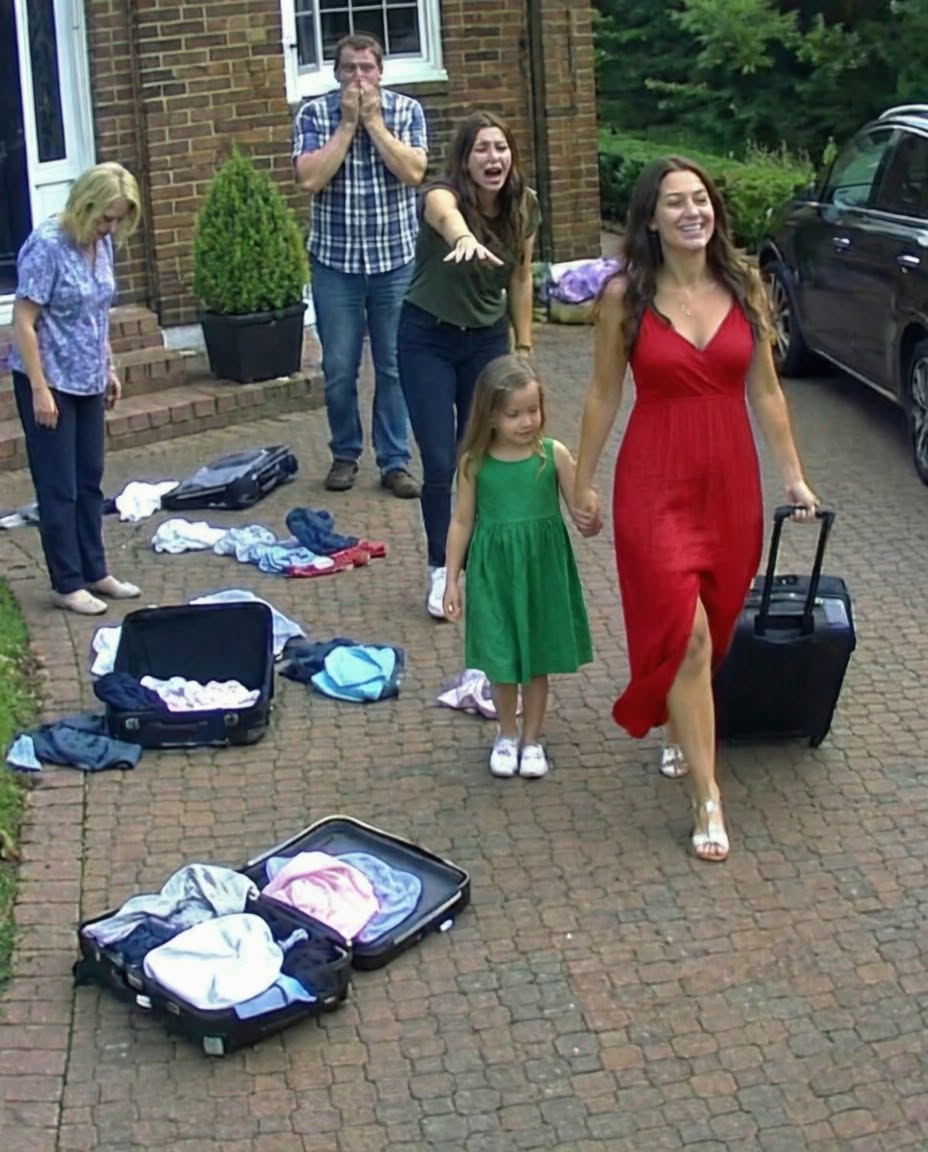
By sunrise, my family discovered what my silence had been paying for.
I woke on the couch to gray morning light, a stiff neck, and the ocean rolling beyond the windows like nothing ugly had ever happened anywhere.
For a moment, I forgot.
Then my phone buzzed across the coffee table like a trapped insect.
Megan.
I let it ring.
She called again.
Then my mother.
Then my father.
Then Megan sent a voice message.
I pressed play.
Her voice exploded into the room.
“Joanna, you need to fix this right now. They said my payment is overdue, and they’re charging me fees. Fees, Joanna. I don’t have that kind of money just sitting around. You know I’m trying to build my influencer brand.”
I stared at the ceiling.
Her influencer brand consisted of taking pictures in restaurants she could not afford and tagging boutiques until one mailed her a discount code.
The next voicemail was my mother.
“Sweetheart, I understand you’re upset, but punishing the whole family is not appropriate. Your father went to buy materials this morning and the card was declined. In front of people. Do you understand how humiliating that was for him?”
I laughed once, but there was no humor in it.
Humiliation.
Not worry.
Not regret.
Humiliation.
My father’s voicemail was shorter.
“Call me.”
That was it.
Two words.
A command disguised as communication.
I made coffee in the tiny kitchen and sat barefoot at the table with my laptop.
At 8:00 a.m., Caleb Ward appeared on video, wearing a navy T-shirt and the expression of a man who had been waiting for me to finally stop pretending I was okay.
“You look like you slept in a suitcase,” he said.
“I slept on a couch.”
“Family?”
“Former family.”
He leaned back. “That bad?”
“They packed my bedroom before dinner.”
Caleb went still.
We had worked together for nine years at Marlowe Systems before the layoffs. He had seen the lunches I skipped because Megan needed money. He had watched me answer calls from my mother in parking lots. He had once found me crying in the stairwell after Dad said I was “too sensitive” for asking to be repaid.
Caleb knew enough.
Not everything.
But enough.
“Joanna,” he said carefully, “are you safe?”
The question landed harder than I expected.
Safe.
Not comfortable. Not polite. Not available.
Safe.
“Yes,” I said. “I’m at the beach house.”
His face softened. “Good.”
I opened the folder he had sent me the night before.
Austin lease agreement.
Vendor onboarding.
Investor meeting schedule.
First payroll packet.
My new life was organized into labeled PDFs.
“Monday still works,” I said.
“Monday more than works. Our pilot client wants the expanded contract finalized next week. If that happens, we hire six engineers by August.”
Six engineers.
A real office.
A company I owned.
I looked around the quiet beach kitchen, at the chipped mug in my hand and the morning light pooling on the table.
For twelve years, I had been told my greatest achievement was being dependable.
But dependability had built a company.
Dependability had built a second home.
Dependability had built escape.
“Joanna,” Caleb said, “there’s one more thing.”
I knew from his tone that it mattered.
“What?”
“Marlowe’s legal department sent a letter late last night. They’re asking employees who were laid off to sign an additional release.”
I frowned. “Why?”
“They’re worried about intellectual property claims.”
My spine straightened.
Our company, AnchorPoint Logistics, used a predictive routing model Caleb and I had designed independently after Marlowe rejected our proposal two years earlier. We had documented every line of code, every planning file, every date.
Marlowe had fired us.
Now they had heard whispers that we might succeed.
“Did they send it to everyone?” I asked.
“No,” Caleb said. “Just you.”
The room cooled around me.
Me.
Not Caleb.
Me.
Of course.
At Marlowe, I had been the woman who made broken systems function. The woman executives interrupted, underestimated, then copied. The woman who built processes men later presented as strategy.
They had laid me off, but they still wanted to own what I might become.
“Forward it,” I said.
“Already did.”
I opened the email.
The letter was polite in the way knives are polite when wrapped in cloth. It referenced confidentiality, non-solicitation, “potential overlap,” and “continuing obligations.” It offered five thousand dollars for my signature.
Five thousand dollars.
The exact amount my family once asked me to spend on Megan’s “branding retreat.”
The exact amount I had paid when Dad’s truck transmission failed.
The exact amount my mother said was “not that much” when she wanted new countertops.
Now a corporation wanted to buy my future for it.
“No,” I said.
Caleb smiled slowly. “That’s what I thought.”
After we ended the call, I showered, put on jeans and a white shirt, and drove into the nearest town to buy groceries.
At the checkout, my phone buzzed again.
This time, the text was from Dad.
The supplier froze my account. They said the guarantee was under your name. Explain.
I closed my eyes.
Sinclair Home Restoration was my father’s business in name only. After years of late payments, suppliers had refused him credit. Three years ago, he asked me to help “temporarily.”
I had signed a limited guarantee for one materials account after he swore it was only for thirty days.
Thirty days became three years.
I had forgotten to cancel it.
Last night, when I froze the card attached to that account, the supplier must have reviewed the file and realized the entire relationship depended on me.
I replied for the first time.
I am no longer guaranteeing your business expenses.
His response came almost instantly.
You can’t just quit on family.
I typed back.
You quit on me first.
Then I blocked him.
Not forever.
Just long enough to hear myself think.
By noon, Megan’s white Lexus appeared in my security camera feed.
For one absurd second, I thought she had found the beach house.
Then I realized the camera was not at the beach house.
It was at my parents’ driveway.
I still had access because I had installed the system and paid the subscription.
The Lexus sat behind my father’s truck while Megan paced the front lawn, waving her arms. Mom stood on the porch in her robe. Dad held his phone to his ear, red-faced and shouting.
The collapse had become visible.
At 1:22 p.m., an email arrived from the county clerk’s office.
Document recording alert: Sinclair Coastal Cottage LLC.
My hands froze over the keyboard.
That was the legal name attached to the beach house.
I opened the alert.
Someone had attempted to request property ownership verification.
Not a crime.
Not yet.
But someone was looking.
Someone in my family had remembered the one time they saw a property tax envelope in my car and asked what “coastal cottage” meant.
I had lied and said it was a client.
Apparently, they had not forgotten.
At 1:37 p.m., Megan texted from a new number.
Are you at that beach place?
I stared at the message.
Then another came.
Mom says you owe us access if family money paid for it.
Family money.
My money had become family money when they spent it.
But my assets were selfish when I kept them.
May you like



I locked every door in the beach house.
Then I called my attorney.







