Chapter 5 - Megan’s Car
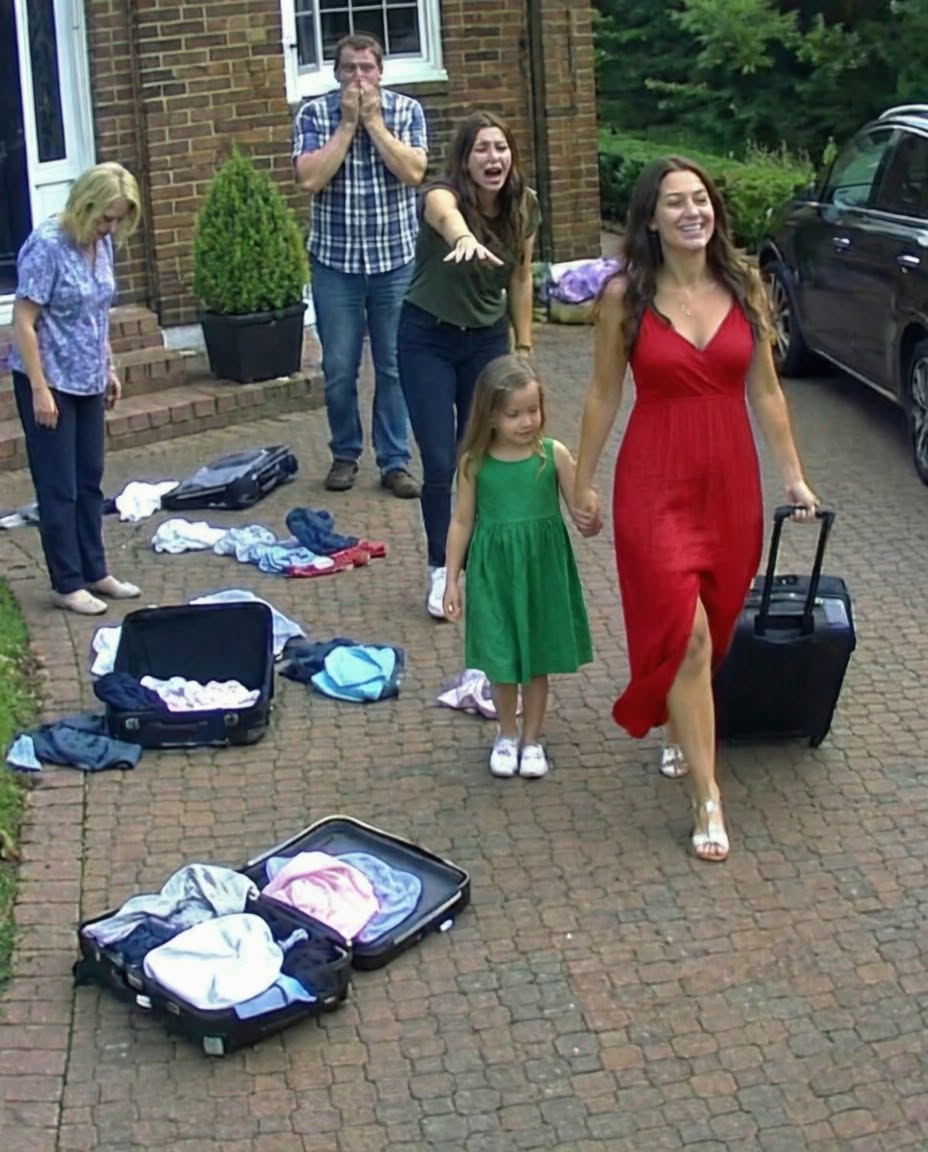
Megan loved that Lexus more than she loved most people.
She posted it constantly.
Morning coffee balanced near the steering wheel.
Sunset selfies in the driver’s seat.
Captions about “working hard for my dreams” while I quietly paid half the monthly loan because she said the car was essential for her image.
The car was white, leased, and wildly outside her income.
Which was zero.
On Wednesday morning, it disappeared.
I knew because she called me thirty-one times before 9:00 a.m.
I was in a vendor meeting when my phone lit up again and again. Unknown number. Megan’s old number. Mom’s phone. Unknown number again.
At 9:12, Hannah texted.
Megan is live crying about her car.
Of course she was.
I opened the video with the sound off under the conference table.
Megan sat on the curb outside my parents’ house wearing full makeup and a sweatshirt that said Blessed. Her eyes were red, but not enough to smudge the mascara she had clearly applied for the performance.
The caption read:
My sister had my car taken because I couldn’t pay after she cut us off. I don’t know how people can be so cruel.
I closed the app.
Caleb, who had been explaining integration timelines, paused. “Everything okay?”
“My sister’s car got repossessed.”
Nia looked up from her laptop. “Was it your car?”
“No.”
“Was it your loan?”
“No.”
“Then congratulations on not owning a repossessed car.”
I stared at her.
She shrugged. “I’m from New Jersey. We call things what they are.”
Despite myself, I smiled.
But the smile did not last.
At lunch, a message came through AnchorPoint’s public contact form.
Name: Linda Sinclair
Subject: Family Emergency
The message was short.
Joanna, you have embarrassed your sister publicly. Fix this today. We raised you better.
I forwarded it to Evelyn.
Then I created an email filter that sent anything from my family into a folder labeled Evidence.
It felt cold.
It also felt necessary.
That afternoon, the real problem surfaced.
Evelyn called at 3:30.
“Are you sitting?”
“No sentence that starts that way has ever improved my life.”
“Your father attempted to list Sinclair Home Restoration assets for emergency sale.”
“Okay?”
“One of the listed assets is not his.”
My stomach dropped. “What asset?”
“The company van.”
I closed my eyes.
The van.
I bought it two years earlier after Dad said he had landed a commercial contract that would finally stabilize the business. He could not qualify for financing. I purchased the van under a separate LLC and leased it to his company for one dollar a month.
One dollar.
Because I was family.
“Can he sell it?” I asked.
“No. But he tried.”
Of course he did.
“Anything else?”
“Yes. He also represented that you were still financially backing the company.”
My hand tightened around the phone.
“When?”
“This morning. To a private lender.”
The room around me blurred slightly.
“He’s trying to borrow money using my name?”
“That is what it appears to be.”
I looked through the glass wall of my office. Nia was taping color-coded workflow charts to the conference room window. Caleb was on a call, pacing with one hand in his hair. The company was alive around me.
My father was trying to drag his failing world into it.
“Stop him,” I said.
“I already sent notice to the lender. Joanna, I need to ask plainly: has your father ever signed your name?”
A cold memory surfaced.
Three years ago. A utility form. Dad had waved it off.
“Your mother handled it,” he had said.
Another memory.
A credit application I never saw but somehow approved.
Another.
A supplier account where the signature looked like mine if someone had practiced from a Christmas card.
“I don’t know,” I said.
It was the worst answer.
Evelyn exhaled. “Then we look.”
By evening, she had requested records from every account connected to my name.
By midnight, my inbox contained enough documents to turn my grief into something harder.
There were signatures that were not mine.
Initials I did not write.
Authorizations I had never seen.
Small betrayals.
Large betrayals.
A whole paper trail of fatherly theft.
At 12:18 a.m., my mother texted from yet another number.
Your father is under terrible pressure. You have no idea what you’re doing to him.
I laughed once, sharp and ugly.
What I was doing to him?
I had stopped holding the ladder.
He was the one who had climbed onto a roof made of lies.
The next morning, I received a message from someone I had not heard from in six years.
Aunt Carol.
My father’s older sister.
Joanna, your dad says you’re trying to destroy his business. I want to hear your side before I decide what to believe.
Before I decide what to believe.
Not I believe you.
Not are you okay.
Still, it was more than most had offered.
So I called her.
Aunt Carol answered on the first ring.
“I’m listening,” she said.
I told her about the guarantee. The invoices. The attempted sale of my van. The beach house inspection. The forged-looking documents.
She was silent for so long I thought the call had dropped.
Then she said, “Your grandfather did this to your father.”
I froze.
“What?”
“Borrowed in his name. Used guilt like a leash. Your dad swore he’d never become him.”
My throat tightened.
People love to say trauma explains behavior.
Sometimes it does.
But explanation is not absolution.
“He became him,” I said.
“Yes,” Aunt Carol whispered. “And Linda let him.”
By Friday, Megan’s Lexus was gone, Dad’s supplier account was frozen, Mom had canceled her salon appointments, and my family’s public story had shifted from righteous betrayal to private panic.
At 5:40 p.m., Dad sent one final email.
You think you won because you have lawyers and money. You forgot I know where your beach house is.
I read it twice.
Then I forwarded it to Evelyn.
Then to the sheriff’s department.
Then I booked a security company.
May you like



I had spent twelve years being the responsible one.
Now I was going to be responsible for protecting myself.







