Chapter 8 - Briggs TalksNathan Briggs asked for three things before he would speak.
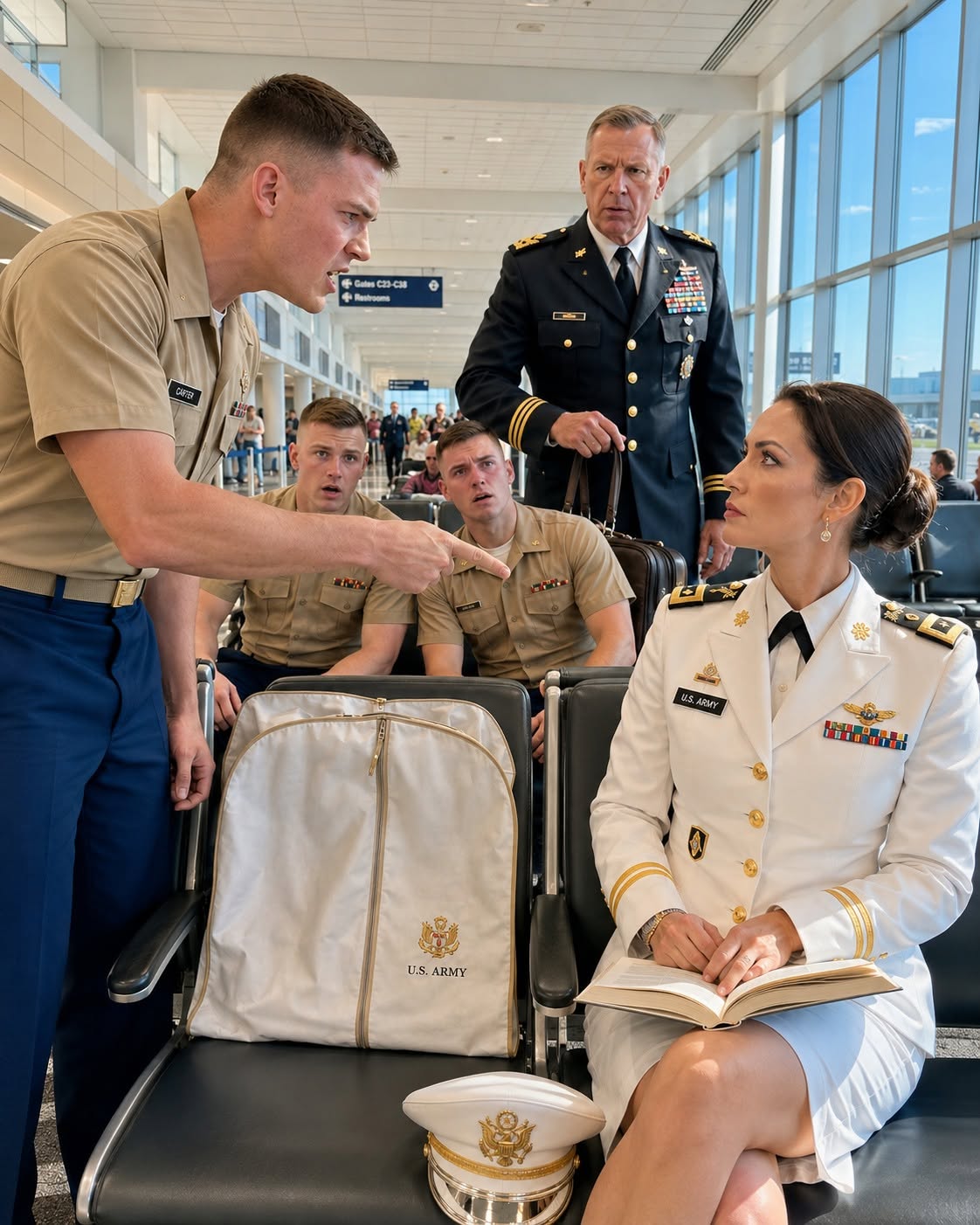
Federal protection.
Protection for his daughter.
And coffee.
Pierce gave him the coffee.
The prosecutors argued about everything else.
By noon, Briggs sat in an interview room behind reinforced glass.
I watched from the adjoining observation room with Holloway.
Briggs looked nothing like the man who had aimed a pistol at me the night before.
He seemed smaller.
Defeated.
His hands were cuffed to the table.
Inspector Reeves entered with two prosecutors.
“Mr. Briggs.”
“Colonel.”
“You retired.”
“So did Vale. Everybody still calls him General.”
Reeves sat.
“You asked to cooperate.”
“I asked not to be murdered.”
“Start talking.”
Briggs stared at the coffee.
Then he began.
The story was worse than we expected.
Years before the Syria mission, Richard Vale had helped create an unofficial testing arrangement between military contacts and private defense companies.
Prototype surveillance drones.
Targeting software.
Electronic warfare systems.
The equipment wasn’t supposed to be used operationally without formal authorization.
Vale used it anyway.
Conflict zones gave him something laboratories couldn’t.
Real targets.
Real interference.
Real casualties.
The data was worth billions.
“What does Wentworth have to do with this?” Reeves asked.
Briggs looked toward the mirrored glass.
He couldn’t see us.
“He was a Senate defense staff adviser back then.”
Holloway whispered a curse.
“He helped kill investigations.”
“How?”
“Budget pressure. Classification challenges. Jurisdiction.”
Briggs took a drink.
“You don’t need to destroy evidence if you can bury it beneath enough law.”
Reeves leaned forward.
“The Syria extraction.”
Briggs closed his eyes.
“The prototype system misidentified a friendly corridor.”
My stomach twisted.
“Explain.”
“The software was feeding threat predictions to Vale’s command cell. It showed your valley route as low-risk.”
“But conventional intelligence flagged it high-risk,” Reeves said.
“Yes.”
“And Vale chose the prototype assessment?”
“Yes.”
“Why?”
“Because if he aborted the mission, he’d have to explain why the prototype was wrong.”
There it was.
Three men died because a powerful officer didn’t want to admit an expensive machine had failed.
Holloway’s fists tightened.
Briggs continued.
“Shaw called in the discrepancy.”
“I remember,” I whispered.
“Vale told me to confirm the route.”
Reeves asked, “Why did you?”
Briggs stared at the table.
“Because he was my commander.”
“That’s your defense?”
“No.”
His voice cracked.
“That’s my confession.”
For the first time, I saw something human in him.
Not innocent.
Never innocent.
But human.
“I told her to proceed.”
He swallowed.
“Seven minutes later, they were hit.”
The observation room felt airless.
Holloway walked away from the glass.
Briggs continued.
“After the crash, recovery teams were ready.”
“Why were they delayed?”
“Vale was afraid the prototype equipment onboard would be recovered.”
My head snapped up.
We had carried a small black communications module.
I’d assumed it was standard signals equipment.
“What equipment?”
“A telemetry recorder.”
Reeves asked, “Why was it on Shaw’s aircraft?”
“To capture battlefield performance.”
Without our knowledge.
We had been test subjects.
The realization made me sick.
“He ordered rescue delayed until a recovery drone could destroy the module.”
Holloway whispered, “Jesus.”
“How long?”
“Vale expected forty minutes.”
“Shaw’s team waited thirty-one hours.”
Briggs’ eyes filled with tears.
“The drone malfunctioned too.”
Of course it did.
A second failure.
Another secret to protect.
“Then weather moved in,” Briggs continued.
“By the time Vale authorized rescue, aircraft couldn’t reach them.”
Holloway sat slowly.
Daniel could have been rescued.
All three could have.
The initial weather window had been clear.
I remembered staring at stars while waiting for helicopters that had been intentionally held back.
Reeves asked the question I couldn’t.
“Did Vale understand delaying rescue could cost lives?”
“Yes.”
“And Wentworth?”
Briggs nodded.
“He helped write the post-incident containment plan.”
The observation room went silent.
The interview continued for another hour.
Names.
Dates.
Companies.
Payments.
At one point Briggs described how records were altered.
My warnings downgraded from “mission hold requested” to “routine concern.”
Vale’s direct command removed.
Rescue delay blamed on weather.
Medical timelines adjusted.
An entire alternate history created.
Then Reeves asked:
“Why did you leave the phone at Denver airport?”
“To scare Shaw away.”
“Why?”
“Vale ordered it.”
“And her niece?”
Briggs looked ashamed.
“Surveillance only.”
“You threatened a child.”
“I know.”
I felt no sympathy then.
None.
“Why kidnap Mercer?”
“We needed the archive.”
“Did you plan to kill him?”
“No.”
“Did Vale?”
Briggs looked toward the mirrored glass again.
“Yes.”
Holloway exhaled slowly.
“And you?” Reeves asked.
Briggs hesitated.
“I don’t know.”
It was probably the most truthful answer he had given.
When the interview ended, I left the observation room.
Holloway remained behind.
I found him twenty minutes later sitting alone on a bench outside.
Four-star general.
Sixty-one years old.
One of the most powerful officers in the Army.
Crying silently.
I sat beside him.
Neither of us spoke at first.
Finally he said, “Forty minutes.”
I knew.
“If Vale hadn’t delayed them forty minutes…”
“Daniel might have lived.”
Not would.
Might.
Military families live inside that word.
Might.
Maybe.
If.
Holloway wiped his face.
“I spent nine years wondering whether I should’ve called somebody higher that night.”
“You authorized immediate recovery.”
“I could’ve done more.”
“You didn’t know Vale would countermand it.”
“I should’ve known.”
“No.”
He turned toward me.
“Is that what you tell yourself?”
I looked away.
Because he had found the wound exactly.
I had spent nine years asking whether I should have refused the route.
Whether I should have turned the helicopter around.
Whether I should have challenged Briggs harder.
Whether I should have carried Bennett instead of ammunition during the first movement.
Survivors build alternate universes.
In each one, everyone lives.
“I don’t know what I tell myself anymore.”
Holloway nodded.
Maybe that was enough.
Pierce appeared at the end of the hallway.
“Shaw.”
I stood.
“What?”
“They searched Vale’s office.”
“And?”
“He’s gone.”
My stomach dropped.
“When?”
“Private aircraft departed Dulles at 10:42.”
“Destination?”
“Flight plan says Nassau.”
“Intercept?”
“Already requested.”
Pierce’s expression said there was more.
“What?”
“Vale didn’t leave alone.”
She showed me a security image.
A teenage girl walked beside him.
Baseball cap.
Hoodie.
Head lowered.
My blood froze.
Lily.
My niece.
“No.”
I grabbed the phone.
“No, she’s with Rachel.”
Pierce didn’t answer.
I called my sister.
No response.
Again.
Nothing.
“Where is Rachel?”
“Agents are checking.”
My chest tightened.
“You told me they were protected.”
“They were.”
“Apparently not.”
“Evelyn—”
I called again.
This time Rachel answered.
She was sobbing.
“Evie.”
“Where’s Lily?”
“I don’t know.”
The hallway disappeared.
“What happened?”
“She got a message from me.”
“What?”
“Someone cloned my number. Told her security had changed pickup locations.”
Pierce closed her eyes.
Rachel was crying harder.
“She walked out the side entrance.”
“When?”
“Forty minutes ago.”
I looked at the Dulles timestamp.
Impossible.
Unless the photo was old.
Pierce saw it too.
“The airport footage may be staged.”
My phone buzzed.
A video arrived.
Richard Vale appeared on screen.
Silver-haired.
Calm.
Behind him sat Lily.
Alive.
Terrified.
Vale looked directly into the camera.
“Colonel Shaw.”
My hands began shaking.
“I’m told you’ve been very busy.”
Lily tried to speak.
Someone off camera grabbed her shoulder.
Vale continued.
“Bring me Daniel Holloway’s original archive.”
I looked at Pierce.
Vale smiled.
“Not the copy.”
He knew.
“Tomorrow. Noon.”
His smile disappeared.
“Or your family learns the same lesson mine taught you nine years ago.”
The video ended.
A location appeared.
Arlington National Cemetery.
May you like
Section 60.
Daniel Holloway’s grave.